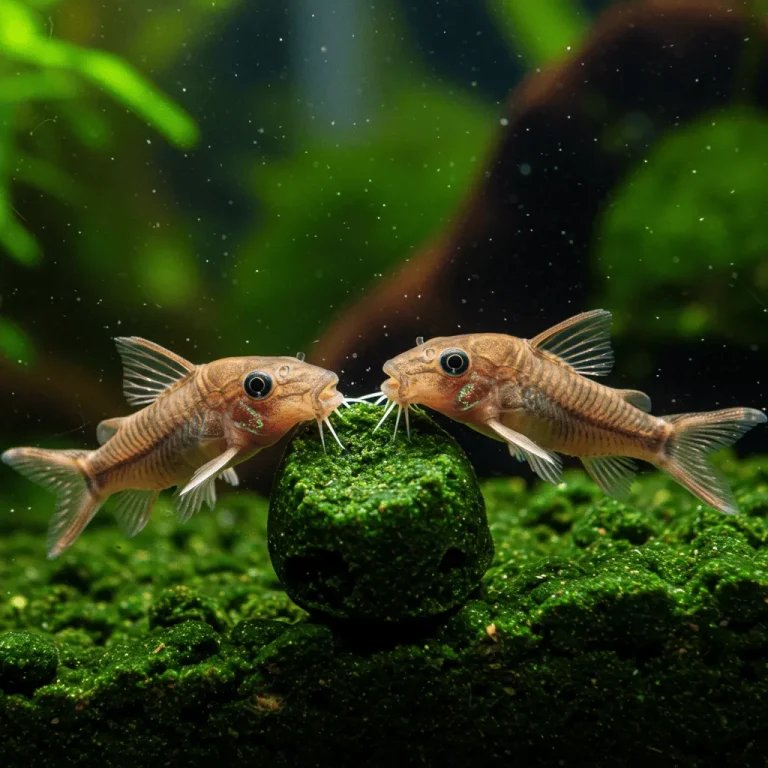
If you’ve ever watched a group of tiny, armored fish wiggling their way across the bottom of an aquarium, you’ve likely been charmed by the Corydoras Catfish. Affectionately known as “Corys,” these delightful bottom-dwellers are more than just cute faces; they are the heart and soul of a healthy community tank, constantly sifting and cleaning while providing endless entertainment.
But there’s more to these little catfish than just being a “cleanup crew.” They have specific needs and fascinating behaviors that every aquarist should understand to see them truly thrive.
This is your ultimate guide to Corydoras care. We’ll dive deep into everything from the perfect tank setup and diet to breeding these amazing fish and keeping them healthy for years to come.
1. Introduction & Quick Facts
Corydoras catfish are small, schooling bottom-dwelling fish from South America. They’re ideal for community aquariums because they’re:
- Peaceful
- Hardy (most common species)
- Active and entertaining
- Available in many colors and patterns
They’re often sold as “cleaner fish,” but that’s only partly true—they do help mop up leftovers, but they still need their own proper diet and care.
Quick Facts Table
| Attribute | Details |
|---|---|
| Common Name | Corydoras Catfish, Cory, Cory Catfish |
| Genus | Corydoras (over 170 described species) |
| Popular Species | Bronze, Albino, Panda, Peppered, Sterbai, Julii, Pygmy Cory |
| Adult Size | 1–3 inches (2.5–7.5 cm), depending on species |
| Lifespan | 5–10 years with good care |
| Care Level | Easy to Moderate (species-dependent) |
| Temperament | Peaceful, schooling bottom dweller |
| Minimum Group Size | 6+ (they are social shoaling fish) |
| Minimum Tank Size | 15–20 gallons for most; 10 gallons for dwarf species |
| Temperature Range | 72–79°F (22–26°C), species-specific ranges |
| pH Range | 6.5–7.5 (slightly acidic to neutral) |
| Hardness | Soft to moderately hard (2–12 dGH) |
| Diet Type | Omnivore (meaty foods + some plant matter) |
| Tank Level | Bottom |

2. Species Profile & Varieties
“Corydoras” refers to a genus of small armored catfish native to South America. They inhabit slow-moving streams, leaf-littered river margins, and shallow floodplains.
General Species Profile
- Body shape: Short, slightly rounded body with a flat underside for resting on the substrate.
- Armor: Bony plates (called scutes) instead of scales.
- Barbels: “Whiskers” around the mouth used to sense food—very sensitive to sharp substrate and poor water conditions.
- Behavior: Constantly rooting in the substrate, highly social, and more active in groups.
- Respiration quirk: Many Corydoras can gulp air from the surface and absorb oxygen through a modified intestine. Occasional surfacing is normal; frequent gasping can signal poor water quality.
Common Corydoras Species for Aquariums
Here are some of the most widely available and beginner-friendly Corydoras catfish:
| Common Name | Scientific Name | Size | Notes |
|---|---|---|---|
| Bronze Cory | Corydoras aeneus | 2.5–3 in | Very hardy, great starter Cory; also seen as albino morph |
| Albino Cory | Corydoras aeneus (morph) | 2.5–3 in | Same species as bronze; white/pink body and red eyes |
| Panda Cory | Corydoras panda | 2–2.5 in | Distinct black patches; slightly more sensitive than bronze |
| Peppered Cory | Corydoras paleatus | 2.5–3 in | Speckled pattern, hardy; prefers cooler end of range (70–75°F) |
| Sterbai Cory | Corydoras sterbai | 2.5–3 in | Orange pectoral spines, white spots; tolerates warmer water (great with discus) |
| Julii Cory | Corydoras julii / trilineatus | 2–2.5 in | Fine spotted pattern; often mislabelled; moderate sensitivity |
| Pygmy Cory | Corydoras pygmaeus | 1 in | True dwarf species; spends more time mid-water; best in large shoals |
| Habrosus Cory | Corydoras habrosus | 1–1.2 in | Another dwarf Cory; very peaceful, great for nano tanks |
| False Julii | Corydoras trilineatus | 2–2.5 in | Similar to Julii; reticulated pattern instead of individual spots |
For a first Corydoras, bronze, albino, peppered, or sterbai are usually the most forgiving for beginners.

3. Tank Requirements & Setup
Corydoras are relatively flexible but have a few non-negotiables: soft substrate, clean water, and a proper group.
Tank Size & Footprint
- Standard Cory species:
- Minimum: 15–20 gallons (55–75 liters)
- A 20-gallon long is better than a 20-gallon tall due to bottom space.
- Dwarf species (pygmy, habrosus, hastatus):
- 10 gallons (40 liters) minimum
- Do best in larger shoals (10–20+ fish).
Think of Corydoras as needing floor space more than height. A longer footprint means more room to forage and school.
Substrate: The Most Important Choice
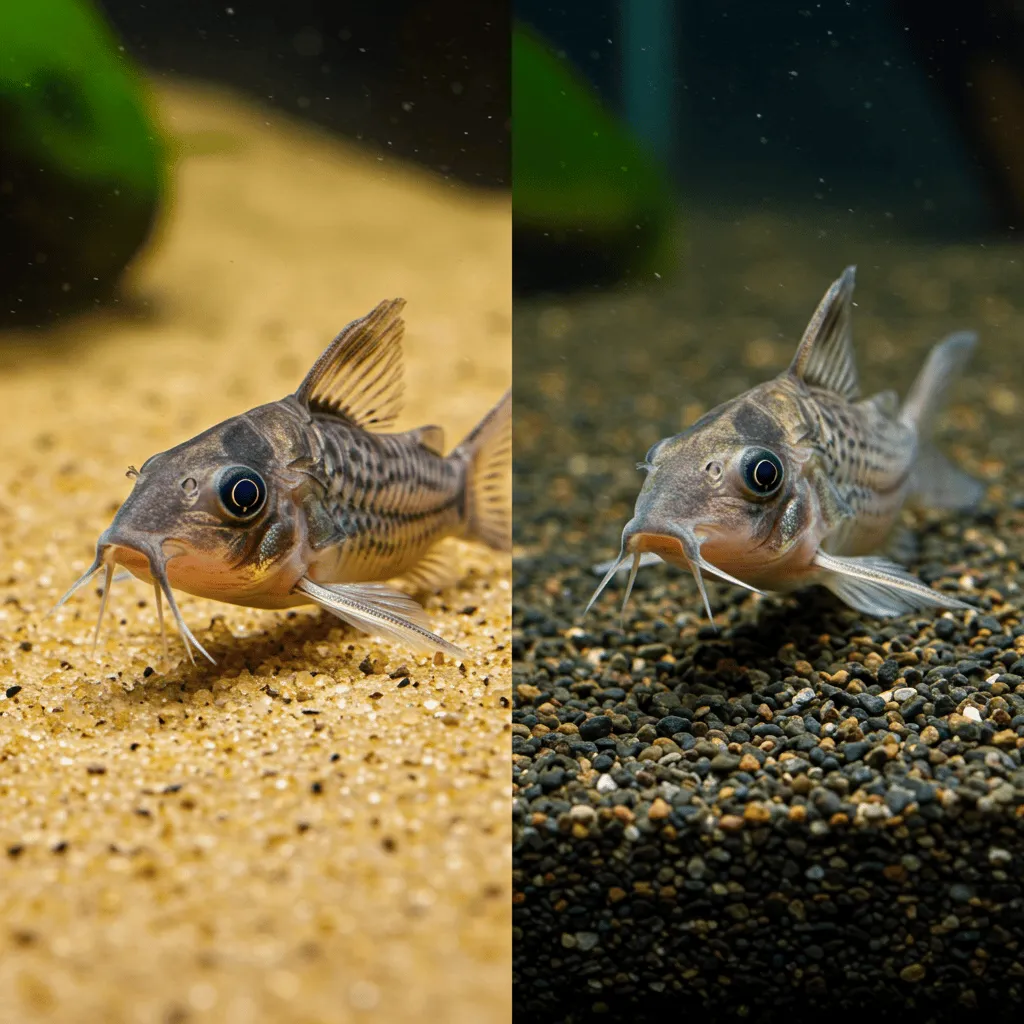
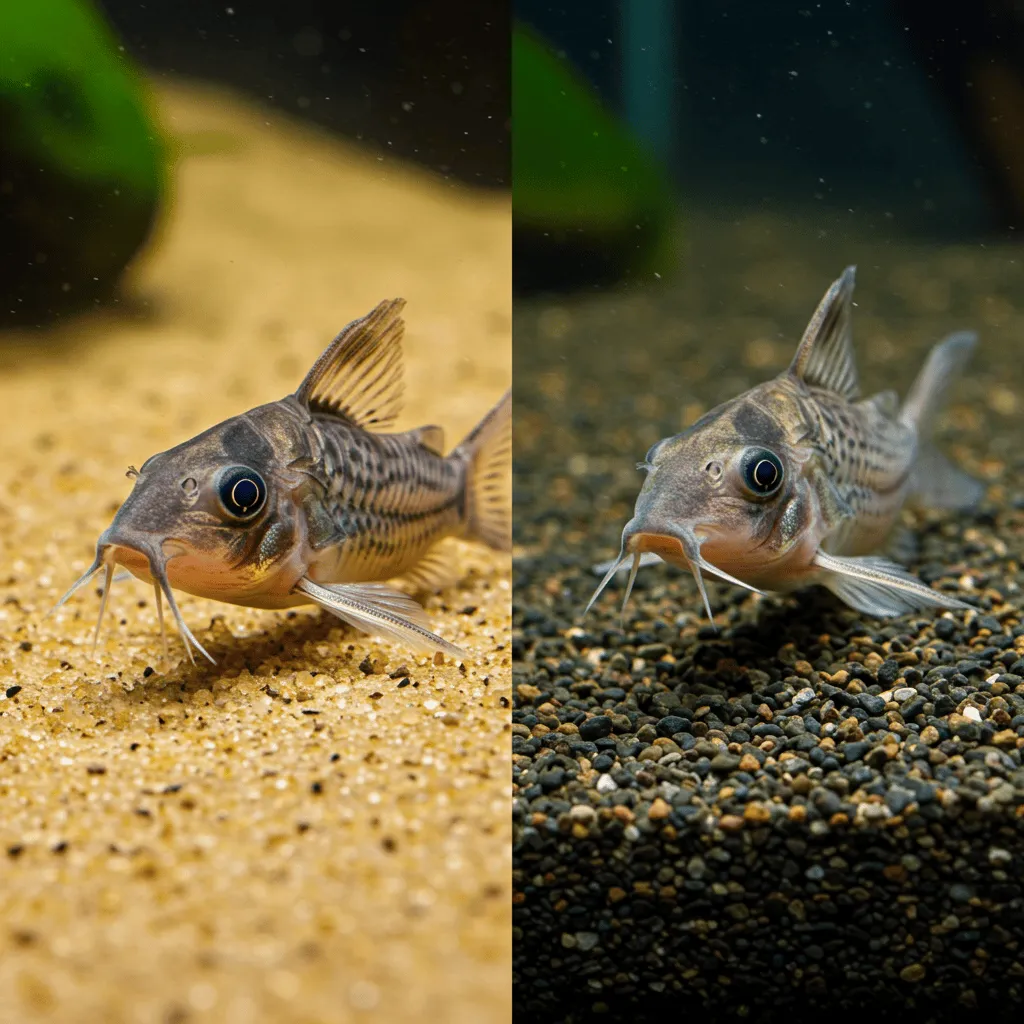
Cory barbels are fragile. The wrong substrate can cause barbel erosion, infection, and even death.
Best substrate:
- Fine sand (pool filter sand, aquarium sand)
- Smooth, rounded grains they can dig into safely
Avoid:
- Sharp or coarse gravel
- Crushed coral or sharp stones
- Substrates with jagged edges
If you must use small gravel, ensure it’s very smooth and round, but sand is strongly recommended for Cory health and natural behavior.
Filtration & Water Flow
Corydoras appreciate:
- Clean, well-oxygenated water
- Gentle to moderate flow (not blasting them along the bottom)
Good options:
- Hang-On-Back (HOB) Filters: Great for 15–40 gallon tanks.
- Canister Filters: Excellent for larger or heavily stocked tanks.
- Sponge Filters: Great supplemental filtration, especially in breeding and fry tanks.
Position filter outputs so that:
- The surface is gently agitated (for oxygenation)
- The current doesn’t create a sandstorm on the bottom
Decor & Aquascaping
Corydoras feel most secure in planted tanks or at least tanks with ample cover.
Ideas:
- Driftwood branches and roots
- Smooth rocks and caves
- Live plants like:
- Java Fern
- Anubias
- Cryptocoryne
- Amazon Swords
- Floating plants (Frogbit, Salvinia) for dappled lighting
Leave open areas of sand for foraging and schooling.
Lighting
- Corys don’t need special lighting; they actually prefer dim to moderate light.
- Strong lights should be softened with plants or floating plants.
This also encourages more natural behavior and reduces stress.
Equipment Checklist (Summary)
- Appropriately sized tank (20+ gallons for standard Corys)
- Fine sand substrate
- Filter (HOB or canister; sponge as backup)
- Heater (if room temp is below their preferred range)
- Thermometer
- Test kits (ammonia, nitrite, nitrate, pH, GH/KH)
- Driftwood, rocks, and plants

4. Water Parameters & Maintenance Schedule
Corydoras are hardy when kept in stable, clean water. Many problems come from poor maintenance, not parameter numbers alone.
Ideal Water Parameters
| Parameter | Recommended Range |
|---|---|
| Temperature | 72–79°F (22–26°C) (species-dependent) |
| pH | 6.5–7.5 |
| GH (Hardness) | 2–12 dGH (soft to moderately hard) |
| KH | 1–8 dKH |
| Ammonia | 0 ppm |
| Nitrite | 0 ppm |
| Nitrate | < 20 ppm (max 40 ppm) |
Species notes:
- C. paleatus (Peppered): can tolerate slightly cooler water (70–75°F / 21–24°C).
- C. sterbai: often kept warmer (78–82°F / 25–28°C), especially with discus.
Maintenance Schedule
Daily
- Quick visual check:
- Are Corys active and schooling?
- Any gasping at the surface (constant, not occasional)?
- Any signs of injury or barbel damage?
Weekly
- Test water: ammonia, nitrite, nitrate, pH.
- Perform 25–40% water change (depending on stocking and nitrates).
- Vacuum lightly over the sand surface to remove debris (don’t dig deeply into sand like gravel).
Monthly
- Rinse filter media in tank water (never tap water) to preserve beneficial bacteria.
- Trim plants, rearrange aquascape if needed.
- Check heater and equipment for proper function.
5. Diet, Feeding Schedule & Nutrition Tips
Diet Type: Omnivorous Bottom Feeders
Corydoras are omnivores that prefer meaty foods but will also nibble on some plant matter and biofilm.
They are not algae eaters and not garbage disposals. They do pick up leftovers, but you must provide targeted, sinking foods for them.
Staple Foods
- Sinking pellets designed for catfish, Corydoras, or bottom feeders
- Sinking wafers (e.g., shrimp wafers, algae wafers with added protein)
Look for:
- High-quality animal proteins (fish, shrimp, krill)
- Some plant ingredients (spirulina, vegetables)
- Avoid cheap foods loaded with wheat/soy fillers
Supplemental Foods
- Frozen or live foods (2–3 times per week):
- Bloodworms (use in moderation)
- Brine shrimp
- Daphnia
- Blackworms or tubifex (ensure they’re from safe, clean sources)
- Blanched vegetables (occasionally):
- Zucchini slices
- Cucumber
- Peas (de-shelled and chopped)
Feeding Schedule
- Adults:
- Once or twice daily, depending on how heavily the tank is fed.
- Feed when lights are dimmed or right after lights-out if mid-water fish outcompete them.
- Juveniles / Fry:
- 2–3 small feedings per day.
Watch their bellies:
- Gently rounded = well-fed.
- Sunken = not enough food or being outcompeted.
Best Brands (for Sinking Foods)
You can safely recommend (and affiliate link to):
- Hikari Sinking Wafers
- Hikari Corydoras / bottom feeder pellets
- Fluval Bug Bites Bottom Feeder formula
- Omega One Sinking Shrimp Pellets
- New Life Spectrum Thera-A Small Sinking
6. Temperament & Tank Mates
Temperament
Corydoras are:
- Peaceful and social
- Active, especially in groups
- Shy if kept in small numbers (less than 6)
They rarely bother other species and spend most of their time on the bottom.
Ideal Tank Mates
You want tank mates that are:
- Peaceful
- Not overly boisterous
- Not bottom-aggressive
- Prefer similar water parameters
Good companions include:
- Small to medium tetras (neon, ember, rummy-nose, black neon)
- Rasboras (harlequin, lambchop, chili)
- Dwarf gouramis (honey, sparkling – avoid very aggressive or large gouramis)
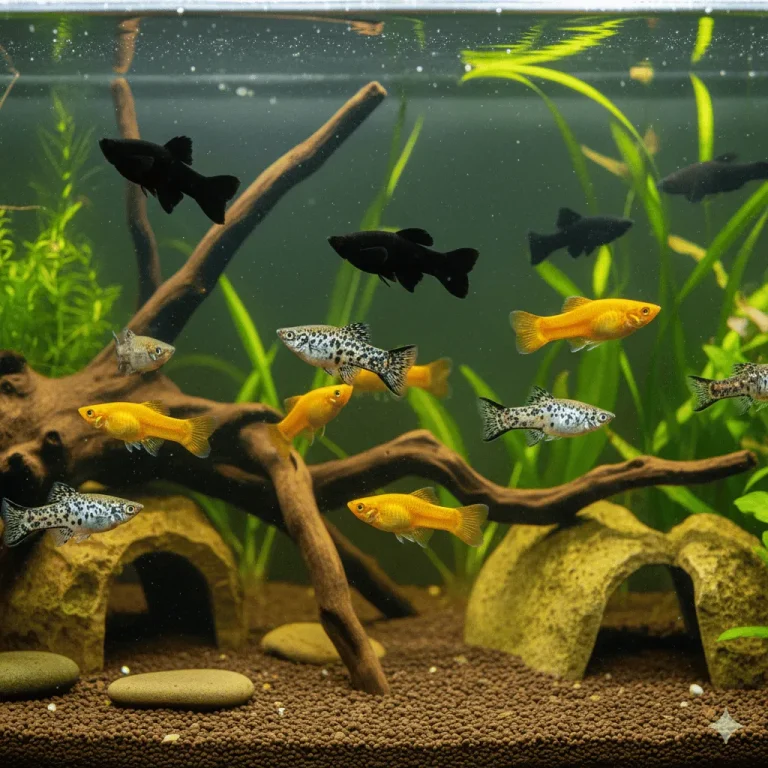
- Livebearers (guppies, platies, mollies) in compatible water
- Small peaceful cichlids (Apistogramma, Bolivian ram – with care)
- Other bottom dwellers:
- Otocinclus
- Some small loaches (e.g., kuhli loaches) if there is enough bottom space
Tank Mates to Avoid
- Large, predatory fish that may eat Corys:
- Oscars, large cichlids, large catfish
- Extremely nippy fish:
- Tiger barbs (especially in small tanks)
- Some aggressive barbs and larger danios if they harass Corys constantly
- Goldfish:
- Different temperature preferences and water needs, plus messy habits.
7. Breeding Corydoras Catfish (Cory)
Breeding Corydoras can be very rewarding and is achievable for home aquarists.
Sex Differences (Dimorphism)
Sexing Corys is subtle but possible:
- Females:
- Larger, wider, and rounder body (especially viewed from above)
- When full of eggs, belly is noticeably plump
- Males:
- Smaller, more slender
- Sometimes have slightly more pointed fins
Conditioning for Breeding
To encourage spawning:
- Keep them in a group with more males than females (e.g., 2–3 males per female).
- Feed high-quality foods, especially live and frozen:
- Bloodworms
- Blackworms
- Brine shrimp
Breeding Tank Setup
- Separate tank: 10–20 gallons, depending on species.
- Fine sand substrate or bare bottom.
- Sponge filter (gentle flow).
- Some plants or spawning mops (Corys often lay eggs on glass, plants, or decor).
- Temperature: slightly cooler or at the lower end of their preferred range.
A large water change with slightly cooler water often triggers spawning, simulating the start of the rainy season.
Spawning Process
- Conditioned group is placed in breeding tank.
- Males chase females; when ready, the female and male form a “T-position”:
- The male’s head is against the female’s side near her pectoral fins.
- Female deposits a small cluster of sticky eggs (often 2–4) between her pelvic fins.
- She searches for a location and presses the eggs onto a surface (glass, plant, decor).
- Process repeats until dozens to hundreds of eggs are laid.
Egg & Fry Care
You can:
- Leave eggs with parents (often they will eat some or all of them), or
- Remove eggs to a separate small tank with an air stone and similar water.
To prevent fungus:
- Use a few drops of methylene blue (where legal), or
- Keep water very clean with gentle aeration and regular small water changes.
Hatching:
- Eggs hatch in ~3–5 days, depending on species and temperature.
- Fry absorb yolk sacs for the first 1–2 days.
First foods for fry:
- Infusoria (for very small species)
- Commercial liquid fry food
- Then, baby brine shrimp, microworms, or finely crushed high-quality flakes/powders.
8. Common Diseases, Prevention & Treatment
Corydoras are generally hardy, but certain issues are more common with them than with some other fish.
Common Problems
- Barbel Erosion / Infection
- Cause: Sharp gravel, poor substrate hygiene, high bacteria in substrate.
- Symptoms: Shortened or missing barbels, redness or swelling around the mouth.
- Prevention: Fine sand substrate, regular cleaning, avoid overfeeding.
- Ich (White Spot Disease)
- Symptoms: White spots on body/fins, flashing/scratching, rapid breathing.
- Treatment: Ich medications (Corys can be sensitive—use half-doses or Cory-safe meds), gradual temperature increase as recommended by product directions.
- Fin Rot
- Cause: Bacteria, often triggered by poor water quality.
- Symptoms: Fraying, ragged fins, white edges.
- Treatment: Clean water, antibacterial medications as per instructions.
- Fungal Infections
- Symptoms: Cottony white/gray patches.
- Treatment: Antifungal meds; treat early.
- Ammonia / Nitrite Poisoning
- Symptoms: Gasping at surface, red or inflamed gills, lethargy.
- Cause: Uncycled tank, overstocking, filter failure.
- Prevention: Cycle the tank fully before adding fish; test regularly.
Disease Prevention Tips
- Always cycle your aquarium before adding Corydoras.
- Quarantine new fish for 2–4 weeks in a separate tank.
- Maintain stable water parameters and perform regular water changes.
- Avoid overcrowding and overfeeding.
- Use fine sand substrate and keep it clean to protect barbels.
9. Where to Buy & Price Guide
Where to Buy Corydoras Catfish
- Local Fish Stores (LFS):
- Most commonly stock bronze, albino, peppered, panda, and occasionally sterbai and pygmy Corys.
- Online Fish Stores:
- Offer a wider variety of species and rarer Corys.
- Check for live arrival guarantees and good reviews.
- Local Breeders & Clubs:
- Great source for healthy, well-acclimated stock.
- You may find selectively bred lines and rarer species.
Price Guide (Approximate)
Prices vary by region and availability, but generally:
- Common species (bronze, albino, peppered):
- Low cost per fish, often cheaper in groups.
- Medium rarity (panda, sterbai, julii/trilineatus):
- Moderately priced.
- Rare species (certain CW numbers, wild imports):
- Significantly more expensive.
Buying in groups (6–10+) is common and more cost-effective.
10. Beginner Mistakes to Avoid
- Keeping Corydoras Alone or in Pairs
- They are shoaling fish; keep at least 6 of the same species for natural behavior and reduced stress.
- Using Sharp Gravel Substrate
- Leads to barbel damage and infections. Always choose fine sand.
- Relying on Corys as “Cleaners Only”
- They still need proper, high-quality food targeted to the bottom. Leftovers alone are not enough.
- Skipping the Nitrogen Cycle
- Corys are very sensitive to ammonia and nitrite.
- Always cycle your tank and verify with test kits before adding them.
- Overstocking & Poor Maintenance
- Too many fish in too small a tank + infrequent water changes = disease risk.
- Mixing with Incompatible Tank Mates
- Large aggressive fish or very nippy tank mates can stress or injure Corys.
- Ignoring Species-Specific Temperature Needs
- Peppered Corys prefer it cooler; sterbai can handle warmer, etc. Always check.
11. Care Level & Difficulty Rating
For most commonly available Corydoras (bronze, albino, peppered, sterbai, panda):
- Care Level:
- Easy to Moderate
- Best For:
- Beginner to intermediate aquarists who can maintain a stable, cycled tank and provide proper substrate.
Factors that make them easier:
- Peaceful and adaptable (common species)
- Accept a wide range of prepared foods
- Compatible with most community setups
Factors that make them moderate (not ultra-beginner-proof):
- Require groups of 6+
- Need sand substrate for long-term health
- Sensitive to ammonia/nitrite spikes and high nitrates
12. Pros, Cons & Final Verdict
Pros
- Peaceful and community-friendly
- Adorable, entertaining behavior (constant foraging and schooling)
- Wide variety of colors and patterns
- Help clean up leftover food (but are not a full cleanup crew)
- Relatively hardy (especially bronze, albino, peppered, sterbai)
- Can be bred at home with patience
Cons
- Need proper sand substrate (can’t just be thrown into any gravel tank)
- Must be kept in groups of at least 6 (can’t be a single “bottom cleaner”)
- Sensitive to poor water quality
- Some species (like wild-caught or rarer Corys) are more delicate
Final Verdict
Corydoras catfish are one of the best bottom-dwelling choices for community freshwater aquariums.
If you:
- Provide a cycled tank,
- Use fine sand,
- Keep them in groups of 6+, and
- Offer high-quality sinking foods,
then Corydoras will reward you with years of fascinating, peaceful behavior and a healthier, cleaner-looking aquarium floor.
13. FAQ Section (Frequently Asked Questions)
1. How many Corydoras catfish should I keep together?
At least 6 of the same species. They are shoaling fish and feel much safer and more active in groups.
2. Can Corydoras live with betta fish?
Often yes, in a properly sized, well-decorated tank with hiding spots. Corys stay on the bottom, while bettas occupy the mid/top. However, some bettas are very aggressive—monitor their behavior.
3. Do Cory catfish eat algae?
Not really. They may nibble some biofilm, but they are not true algae eaters. Use algae eaters like Otocinclus or nerite snails for algae control, and always address the root cause of excess algae.
4. Do Corydoras need a heater?
If your room temperature keeps the tank consistently within 72–79°F (22–26°C), you might get away without one. But in most homes, a heater is highly recommended for stability.
5. Can Corydoras be kept with shrimp?
Yes, with adult shrimp, especially Amano or larger Neocaridina. Corys won’t typically hunt adult shrimp, but they may eat tiny shrimplets if they can.
6. How long do Cory catfish live?
With good care, most common species live 5–10 years in home aquariums.
7. Why do my Corys swim to the surface sometimes?
Corydoras can breathe atmospheric oxygen via their intestines. Occasional surface gulps are normal.
However, frequent gasping may indicate low oxygen or poor water conditions—test your water immediately.
8. Can I keep different Corydoras species together?
Yes, different Cory species can shoal loosely and live peacefully together.
However, they prefer groups of their own species for tight schooling.
9. Will Corydoras clean my substrate?
They help by stirring the sand and eating leftovers, but they do not replace regular vacuuming and water changes.
10. Are Corydoras nocturnal?
They are often more active at dawn and dusk but will be active throughout the day in a peaceful, well-set-up tank.