In the ongoing war against aquarium algae, one name is spoken with a unique sense of hope and reverence: the Siamese Algae Eater. While many fish nibble on soft green algae, the true SAE is one of the very few that will actively hunt down and devour the most dreaded algae of all—Black Beard Algae (BBA).
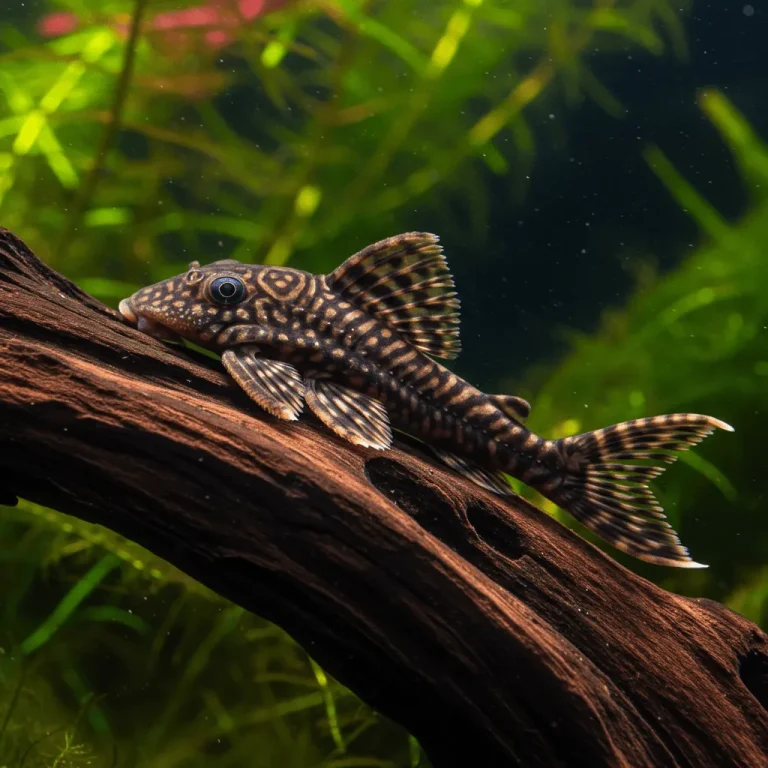
But there’s a catch. The aquarium trade is flooded with look-alikes that are often mislabeled and sold as true Siamese Algae Eaters. These imposters, like the Chinese Algae Eater, grow up to be aggressive, lazy bullies that ignore algae entirely.
This is your definitive guide to the true Siamese Algae Eater (Crossocheilus oblongus). We will teach you how to definitively identify a real SAE, how to set up the perfect environment for this active river-dweller, and how to harness its legendary algae-eating power to keep your tank pristine.
1. Introduction & Quick Facts
The Siamese Algae Eater is a slender, energetic fish from Southeast Asia, famous for eating types of algae that many other fish ignore—especially black beard algae (BBA) and soft hair algae.
It’s often confused with:
- Flying Fox (Epalzeorhynchos kalopterus)
- Chinese Algae Eater (Gyrinocheilus aymonieri)
Those look similar but have very different behavior and care needs. Correct identification is crucial.
Quick Facts Table
| Attribute | Details |
|---|---|
| Common Name | Siamese Algae Eater, SAE |
| Scientific Name | Commonly Crossocheilus siamensis (ID in trade varies) |
| Adult Size | 5–6 inches (12–15 cm) |
| Lifespan | 8–10 years with good care |
| Care Level | Easy to Moderate |
| Temperament | Generally peaceful, can be semi-aggressive as adults |
| Minimum Tank Size | 30 gallons (110 liters) for a small group |
| Temperature Range | 72–79°F (22–26°C) |
| pH Range | 6.5–7.5 |
| Hardness Range | Soft to moderately hard (4–15 dGH) |
| Tank Level | Mid to bottom; often on plants, wood, and glass |
| Diet Type | Omnivore with strong herbivorous/algae-grazing tendencies |
| Best Kept As | Single fish or small group (3–6) in a medium to large community tank |
2. Species Profile & Varieties
Taxonomy & Natural Range
Siamese Algae Eaters belong to the genus Crossocheilus. They’re native to:
- Thailand
- Laos
- Cambodia
- Adjacent regions of the Mekong and Chao Phraya river basins
Habitat features:
- Flowing streams and rivers
- Sandy or rocky bottoms
- Aquatic plants and submerged wood
- High oxygen, clean water
In the wild they:
- Graze continuously on algae and biofilm
- Live in loose groups
- Move in and out of faster-flowing areas
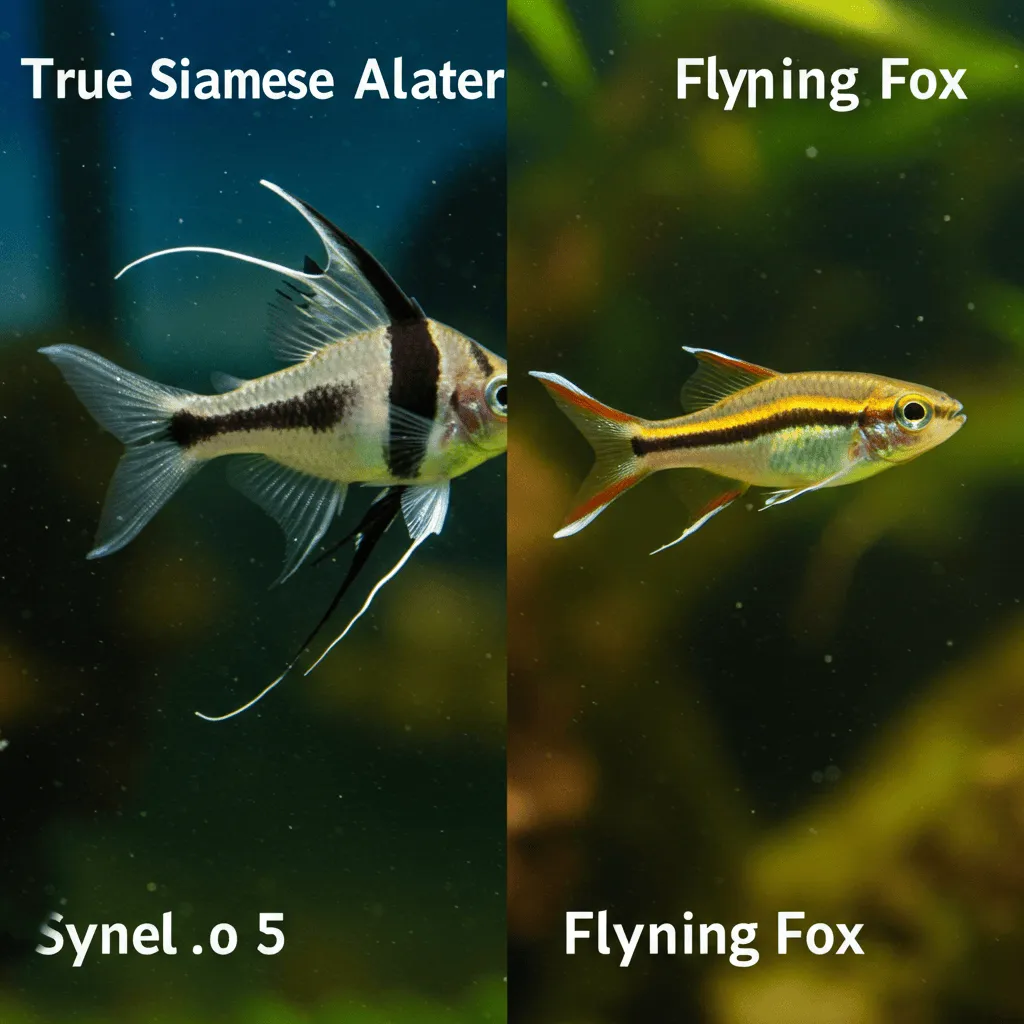
True SAE vs Look-Alikes (Critical for Proper Care)
Many fish sold as “Siamese Algae Eaters” are actually Flying Foxes or similar species. These fakes:
- May not eat tough algae like BBA
- Can become territorial or aggressive
- Have different stripe and fin patterns
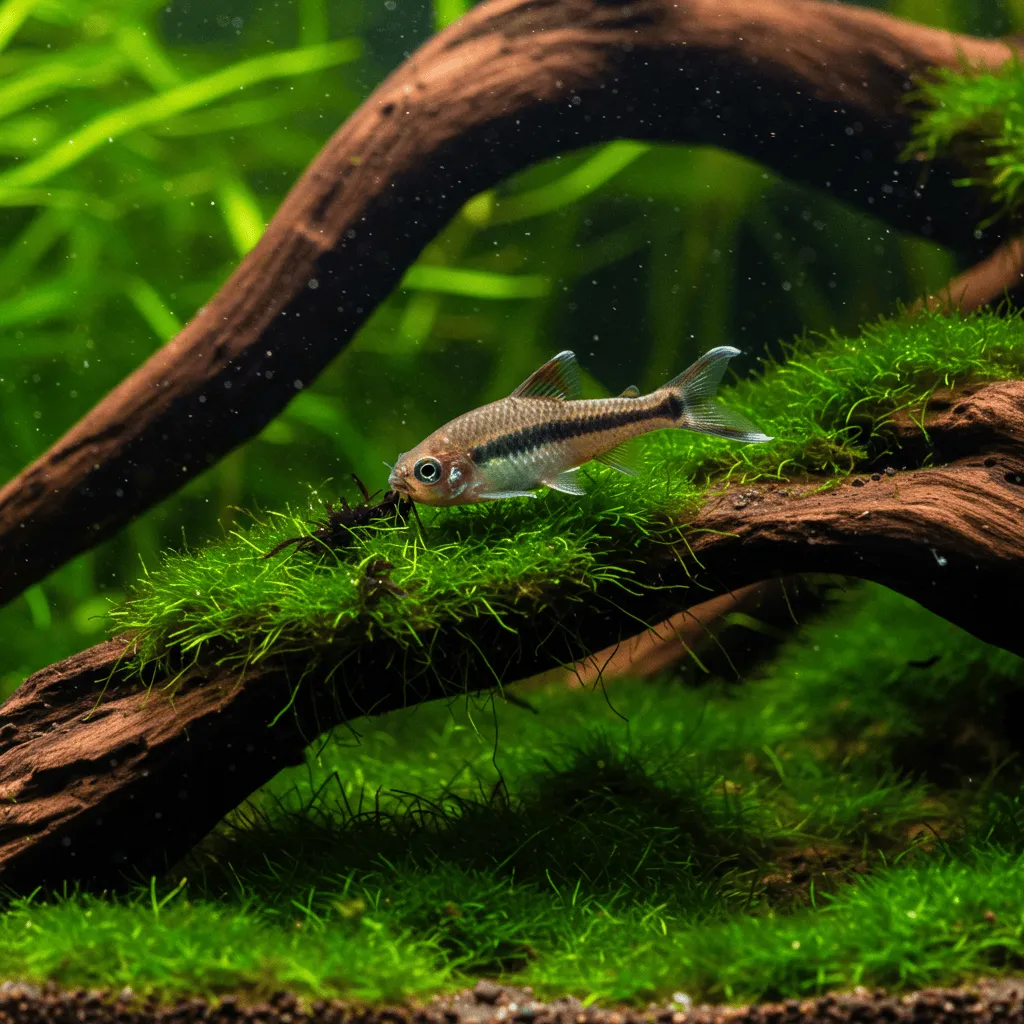
Key ID Features of a True Siamese Algae Eater:
- Solid black stripe
- Runs from the nose, through the eye, all the way to the tip of the tail fin
- Stripe often has jagged, not crisp, edges
- No colored bands on fins
- Fins are mostly transparent or slightly dusky
- Flying Fox has black + orange/gold in fins
- No distinct gold stripe above black line
- Flying Fox typically shows a clear golden band above the black stripe
- SAE may have a subtle lighter zone, but not a sharp gold line
- Mouth shape
- True SAE has a small downward-angled, sucker-like mouth without obvious barbels (or with tiny ones)
If in doubt, compare photos of SAEs vs. Flying Foxes and Chinese Algae Eaters before buying.
Common Trade Forms & Varieties
While there aren’t as many color morphs as some other fish, you may see:
| Variety / Trade Name | Description | Notes |
|---|---|---|
| Standard SAE | Typical tan body with dark horizontal stripe | Most common and widely available |
| “Flying Fox” (NOT SAE) | Similar but with gold band and colored fins | Different species, more territorial |
| “False SAE” | Other Crossocheilus species labeled as SAE | Similar care, algae-eating ability varies |
For most aquarists, the standard true Siamese Algae Eater is the desired variety for reliable algae control.
3. Tank Requirements & Setup
Siamese Algae Eaters are active, mid-sized fish that need room to swim and graze. They’re not suitable for tiny nano tanks once full-grown.
3.1 Minimum Tank Size
- Single SAE:
- Minimum 30 gallons (110 liters)
- Group of 3–6:
- 40–55 gallons (150–200+ liters) recommended
They’re fast swimmers and appreciate horizontal swimming space.
3.2 Substrate
Not overly picky, but ideal substrate is:
- Fine sand or smooth gravel
- Darker colors show their markings better
- Avoid sharp, jagged gravel that can damage barbels and bellies
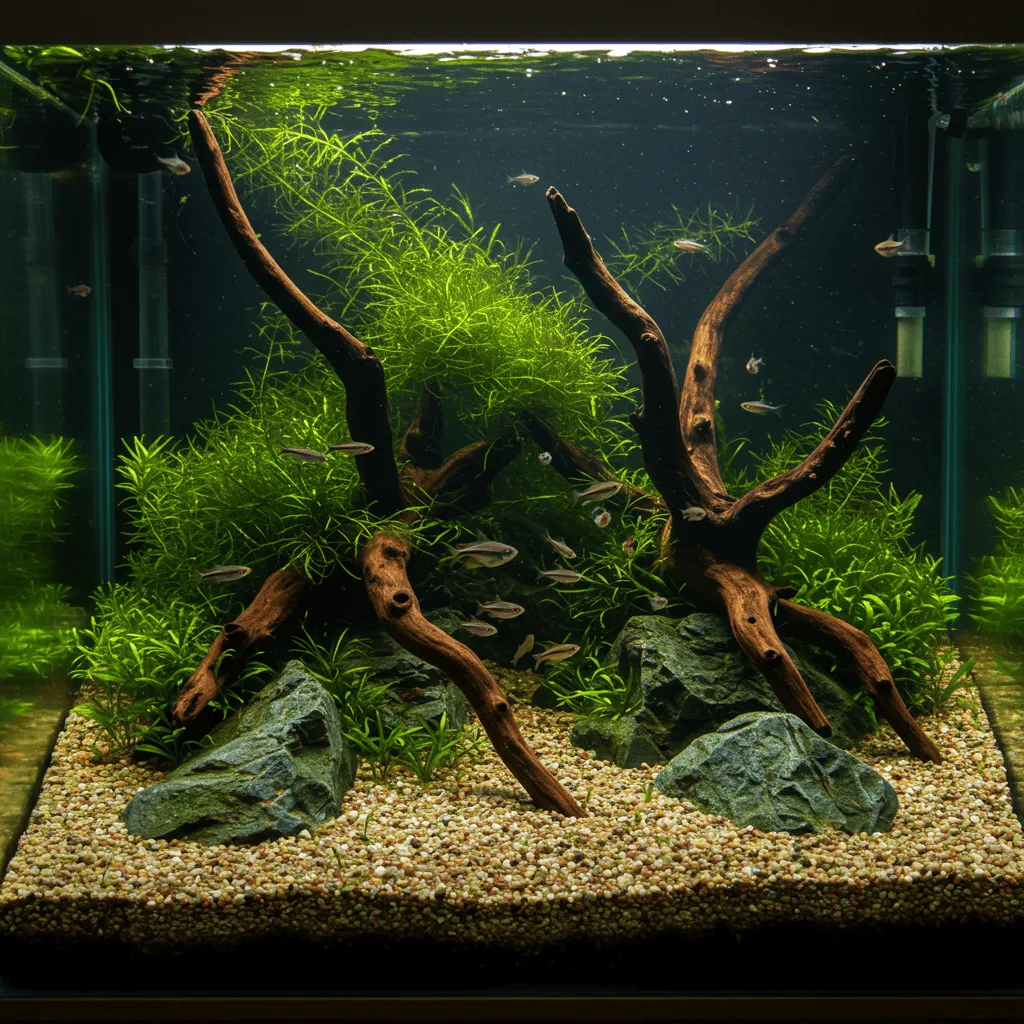
3.3 Hardscape & Plants
To support good Siamese Algae Eater care, provide:
- Driftwood – collects algae and biofilm to graze on
- Rocks – especially porous rock for algae growth
- Live plants – surfaces for algae, plus shelter and aesthetic
Great plants for SAE tanks:
- Java Fern
- Anubias
- Cryptocoryne
- Vallisneria
- Amazon Swords
- Floating plants (Frogbit, Salvinia) for dappled light
They usually won’t damage healthy plants, but may snack on weak or decaying leaves.
3.4 Filtration & Flow
Siamese Algae Eaters come from flowing rivers. They like:
- Clean, well-oxygenated water
- Moderate water movement
Use:
- A good HOB or canister filter matched to (or slightly above) tank size
- Spray bars or directional outlets to create gentle currents
Tip: Point outputs along the length of the tank for a “river-like” flow they can ride in and out of.
3.5 Lighting
- Moderate to bright lighting is fine, especially for plants and algae growth
- More light generally = more algae (to a point), which can benefit SAEs
- Provide shaded areas (plants, driftwood) where fish can rest
3.6 Lid / Cover
They are notorious jumpers when startled:
- Always use a snug-fitting lid or glass canopy
- Check for gaps around filter pipes and airline
4. Water Parameters & Maintenance Schedule
Siamese Algae Eaters are relatively hardy, but they do best in stable, clean conditions.
4.1 Ideal Water Parameters
| Parameter | Recommended Range |
|---|---|
| Temperature | 72–79°F (22–26°C) |
| pH | 6.5–7.5 |
| GH (Hardness) | 4–15 dGH (soft to moderately hard) |
| KH | 3–10 dKH |
| Ammonia | 0 ppm |
| Nitrite | 0 ppm |
| Nitrate | Ideally < 20 ppm (up to 30–40 ppm max) |
They can adapt somewhat outside these ranges once acclimated, but avoid rapid swings in pH, temperature, or hardness.
4.2 Maintenance Schedule
Daily:
- Visual check:
- Are they grazing normally?
- Any heavy breathing, clamped fins, or unusual hiding?
- Confirm temperature & filter flow.
Weekly:
- Test ammonia, nitrite, nitrate, pH.
- Perform 25–40% water change depending on stocking and nitrate levels.
- Gently clean glass, leaving some algae patches if desired.
- Rinse pre-filters in removed tank water.
Monthly:
- Rinse main filter media in tank water (not tap water) to preserve beneficial bacteria.
- Inspect impeller and hoses for buildup.
- Prune plants, vacuum debris from low-flow areas.
Consistent maintenance is a big part of successful Siamese Algae Eater care, as dirty water reduces their appetite and overall health.
5. Diet, Feeding Schedule & Nutrition Tips
Siamese Algae Eaters are legendary algae grazers, but that doesn’t mean algae alone is enough to keep them healthy long-term—especially in clean, well-managed tanks.
5.1 Natural Diet
In the wild, SAEs eat:
- Algae (including tough filamentous types)
- Biofilm (microorganisms on surfaces)
- Aufwuchs (mixed algae, bacteria, and small invertebrates)
- Occasional small insect larvae and organic detritus
They are omnivores with a strong herbivorous bias.
5.2 In the Aquarium
They will happily eat:
- Soft green algae
- Brown diatom algae
- Black beard algae (BBA), especially when younger and less spoiled by prepared foods
But in a well-maintained tank, natural algae is often not enough to support them fully.
5.3 Staple Foods
Use high-quality sinking and mid-water foods:
- Algae wafers (spirulina-based)
- Sinking vegetable pellets
- Quality tropical flakes or pellets
Look for:
- Whole fish/shrimp as main animal proteins
- Spirulina, kelp, or other marine algae
- Minimal cheap fillers
5.4 Treats & Variety
2–3 times per week, supplement with:
- Blanched vegetables (zucchini, spinach, cucumber, peas)
- Frozen foods (brine shrimp, daphnia, bloodworms in moderation)
- Gel foods like Repashy (Soilent Green, Community blends)
5.5 Feeding Schedule
- Juveniles:
- Feed small amounts 2–3 times per day (they burn a lot of energy)
- Adults in planted tanks:
- Once or twice daily, adjusting based on:
- Body condition (not too skinny or overly fat)
- Visible algae availability
- Once or twice daily, adjusting based on:
Important: Over time, if you overfeed high-protein foods, adult SAEs can become “lazy,” eating less algae and more prepared food. Balance is key.
5.6 Recommended Food Brands (Affiliate Friendly)
You can safely recommend:
- Hikari Algae Wafers
- Fluval Bug Bites (Algae Crisps / Bottom Feeder)
- Omega One Veggie Rounds
- Northfin Veggie Formula
- Repashy Soilent Green
6. Temperament & Tank Mates
6.1 Temperament
Siamese Algae Eaters are generally:
- Peaceful as juveniles
- Active and energetic
- Non-aggressive toward most tank mates
However, as they age, some individuals can become:
- Territorial, especially toward their own kind
- Pushy during feeding
- Mildly nippy if cramped or underfed
Keeping them in a suitable tank with appropriate tank mates and enough space usually prevents serious issues.
6.2 Ideal Tank Mates
Good companions include:
- Medium tetras (Rummy-nose, Black Skirt, Emperor, Bleeding Heart)
- Rasboras (Harlequin, Scissortail, Lambchop)
- Barbs (Cherry, Golden, Odessa—avoid very nippy species in small tanks)
- Livebearers (Mollies, Platies, Swordtails)
- Rainbowfish (small to medium species)
- Peaceful gouramis (Pearl, Honey, thick plants & space help)
- Bottom dwellers:
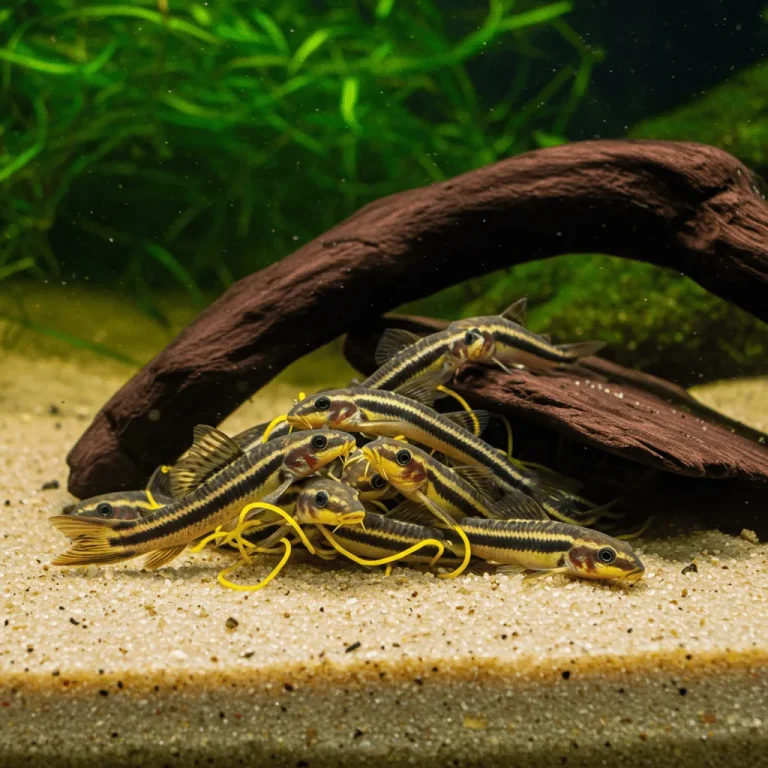
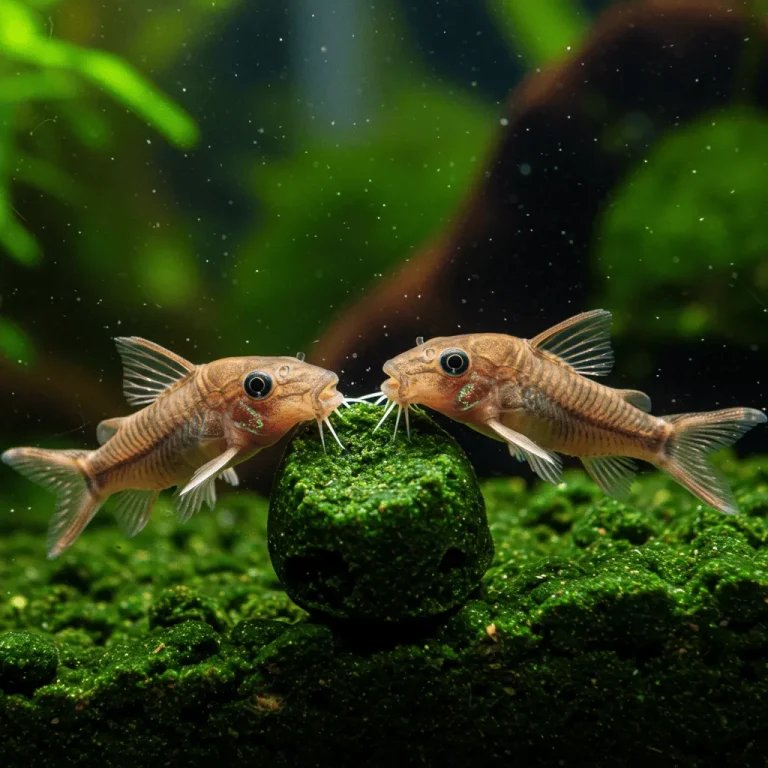
- Corydoras
- Bristlenose Plecos
- Loaches (Kuhli, some Botia species in large tanks)
6.3 Tank Mates to Avoid
- Very slow, long-finned fish in small tanks:
- Fancy Bettas, some fancy guppies can be stressed by active SAEs
- Aggressive cichlids:
- Oscars, Jack Dempsey, large Central/South American cichlids
- Very small fish in extremely big, fast-flowing setups may be outcompeted
Generally, SAEs are great in mid-to-large sized peaceful community or planted tanks.
7. Breeding Siamese Algae Eaters
(Template says “Breeding Angelfish,” but this section covers breeding Siamese Algae Eaters.)
7.1 Difficulty Level
Breeding Siamese Algae Eaters in a home aquarium is extremely rare. Most fish in the trade are:
- Bred in large, outdoor or commercial facilities
- Often hormonally induced to spawn
Because of this:
- There are very few confirmed hobbyist breeding reports
- Reliable, step-by-step breeding methods for the home aquarist are not well established
7.2 What’s Known (and Suspected)
- They are egg scatterers like many cyprinids (barbs, danios).
- Likely spawn in groups rather than in pairs.
- Require very clean, well-oxygenated water and good current.
- Probably scatter eggs over plants, gravel, or spawning mops.
Theories (not easily replicated at home):
- Large groups (10–20+) in a river-style tank
- Gradual changes simulating seasonal shifts (temperature, water level, flow)
- Live and high-quality foods to condition both males and females
7.3 Practical Advice
For most aquarists:
- Do not rely on breeding SAEs for population or sales.
- Focus instead on excellent Siamese Algae Eater care and algae control.
If you’re specifically interested in breeding, species like:
- Corydoras
- Livebearers (guppies, platies)
- Angelfish
- Bristlenose Plecos
are far more realistic breeding projects.
8. Common Diseases, Prevention & Treatment
Siamese Algae Eaters are not unusually fragile, but like all fish, they’re susceptible to disease if kept in poor conditions.
8.1 Common Problems
- Ich (White Spot Disease)
- White salt-like spots, scratching, rapid gill movement.
- Common when new fish are not quarantined.
- Fin Rot & Bacterial Infections
- Frayed fins, red streaks, cloudy patches.
- Often due to poor water quality or injuries.
- Internal Parasites
- Stringy white feces, weight loss despite eating.
- Stress-Related Issues
- Hiding, loss of appetite, color fading.
- Caused by bullying, overcrowding, or unstable parameters.
8.2 Prevention
- Always cycle the tank fully before adding SAEs.
- Keep up with weekly water changes and testing.
- Avoid sudden changes in temperature or pH.
- Quarantine new fish for 2–4 weeks when possible.
- Don’t overcrowd or mix incompatible species.
8.3 Treatment (General Guidance)
Always follow product instructions and research if a medication is safe for your species and invertebrates.
- Ich:
- Gradually raise temperature if product allows (e.g., to 78–80°F).
- Use a commercial Ich treatment (malachite green, formalin mixtures, or modern alternatives).
- Bacterial infections / Fin rot:
- Improve water quality.
- Use broad-spectrum antibacterial medications when needed.
- Internal parasites:
- Use internal parasite-specific meds (e.g., praziquantel, metronidazole combinations) as directed.
Always remove activated carbon from filters during medication and enhance aeration (extra air stone).
9. Where to Buy & Price Guide
9.1 Where to Buy Siamese Algae Eaters
- Local Fish Stores (LFS):
- Most mid-to-large shops carry them regularly in the “algae eater” or “community fish” section.
- Carefully check ID to avoid Flying Fox or Chinese Algae Eater.
- Online Retailers:
- Great if local shops only stock look-alikes.
- Look for sellers who clearly label “true Siamese Algae Eater” with photos.
- Aquarium Clubs & Local Hobbyists:
- Less common but sometimes available from local breeders or importers.
9.2 Price Range
Prices vary by region, but generally:
- Juveniles: very affordable per fish
- Larger, well-grown SAEs: moderately more expensive
- Buying in small groups (3–6) is common and cost-effective
ID accuracy is worth more than saving a few dollars on mislabelled “algae eaters.”
10. Beginner Mistakes to Avoid
- Buying the Wrong Species
- Mistaking Flying Foxes or Chinese Algae Eaters for SAEs can lead to aggression issues and poor algae control.
- Too Small a Tank
- SAEs grow to 5–6 inches and are active swimmers—avoid nano tanks for them long term.
- Relying on Them as the Only Solution to Algae
- They help greatly, but algae problems are mainly water, light, and nutrient issues.
- Don’t neglect plant care, water changes, and light management.
- Overfeeding High-Protein Foods
- Makes them lazy and prone to ignoring algae.
- Keep a strong veggie/algae component in their diet.
- Keeping a Lone SAE in a High-Stress Environment
- While one SAE is fine, stressed individuals in poor conditions may become shy or moody.
- Ignoring Water Quality
- High nitrates, fluctuating parameters, or inadequate filtration will weaken SAEs, reducing algae control and lifespan.
11. Care Level & Difficulty Rating
For most hobbyists:
- Care Level: Easy to Moderate
- Difficulty Rating: 4–5 / 10
They’re a good choice for:
- Beginners with a properly cycled 30+ gallon tank
- Intermediate aquarists looking for effective algae control and an active schooling fish
They are not appropriate for:
- Uncycled, brand-new tanks
- Tiny desktop aquariums (beyond the early juvenile stage)
12. Pros, Cons & Final Verdict
Pros
- One of the most effective algae eaters, especially against BBA and hair algae
- Active, interesting behavior—great for planted community tanks
- Generally peaceful and compatible with many tank mates
- Long lifespan (up to a decade with good care)
- Relatively hardy once acclimated
Cons
- Identification confusion with look-alike species
- Need 30+ gallon tanks due to size and activity
- Can become more territorial as adults in cramped or poorly managed tanks
- If overfed high-protein foods, may reduce algae-eating behavior
- Rarely breed in home aquariums (not ideal if you want a breeding project)
Final Verdict
If you’re serious about algae control in a medium-to-large freshwater aquarium, and you’re willing to:
- Provide a properly sized, cycled tank,
- Choose true Siamese Algae Eaters, and
- Offer a balanced diet with lots of algae/veggie content,
then the Siamese Algae Eater is one of the best functional and fascinating fish you can add.
They’re a top-tier algae eater that also adds motion and personality to planted community tanks.
13. FAQ Section (Frequently Asked Questions)
1. Are Siamese Algae Eaters good for beginners?
Yes, for beginners with a 30+ gallon cycled tank. They’re hardy and helpful, but misidentification and undersized tanks can cause problems.
2. How many Siamese Algae Eaters should I keep?
1–2 can work in smaller tanks (30–40 gallons), but in larger tanks, a group of 3–6 is ideal. Just ensure enough space and hiding spots.
3. Do Siamese Algae Eaters eat black beard algae (BBA)?
True SAEs are one of the few fish known to eat BBA, especially when young and not spoiled on prepared foods. They also eat other filamentous algae.
4. What is the minimum tank size for a Siamese Algae Eater?
A minimum of 30 gallons (110 liters) is recommended for one or a small group.
5. Can Siamese Algae Eaters live with shrimp?
Generally yes, especially with larger shrimp like Amano. Adult SAEs usually ignore adult dwarf shrimp, but very small shrimplets may occasionally be eaten.
6. Do Siamese Algae Eaters become aggressive?
They are usually peaceful, but as adults, some individuals can become semi-aggressive or territorial, especially in overcrowded or undersized tanks.
7. How long do Siamese Algae Eaters live?
With good care, they can live 8–10 years.
8. Are Siamese Algae Eaters better than Chinese Algae Eaters?
For community tanks, usually yes. Chinese Algae Eaters often become aggressive and stop eating algae as they age. SAEs generally remain better-behaved algae grazers.
9. Do I still need to clean the tank if I have SAEs?
Yes. SAEs help control algae, but they don’t replace:
- Regular water changes
- Filter maintenance
- Managing lighting and nutrients
10. Will Siamese Algae Eaters eat my plants?
Healthy plants are usually safe. They may nibble on decaying leaves, which actually helps tidy the tank, but they’re not primary plant-eaters.