In the freshwater aquarium hobby, one fish reigns supreme in beauty, grace, and prestige: the Discus fish. With their majestic, disc-shaped bodies, stunning array of colors, and intelligent, personable nature, they are truly the “King of the Aquarium.” Keeping and breeding Discus is considered by many to be the pinnacle of achievement for a freshwater aquarist.
But their royal status comes with royal demands. Discus are not a fish for the casual hobbyist. They are highly sensitive to water quality, require specific high temperatures, and demand a level of care and dedication far beyond that of a typical community fish.
This is your definitive guide to Discus fish care. We will demystify these regal creatures and provide you with the essential knowledge to succeed. From setting up the perfect “bare-bottom” tank and mastering their demanding water parameters to providing a high-protein diet, this guide will show you how to raise healthy, vibrant Discus that live up to their majestic reputation.
1. Introduction & Quick Facts
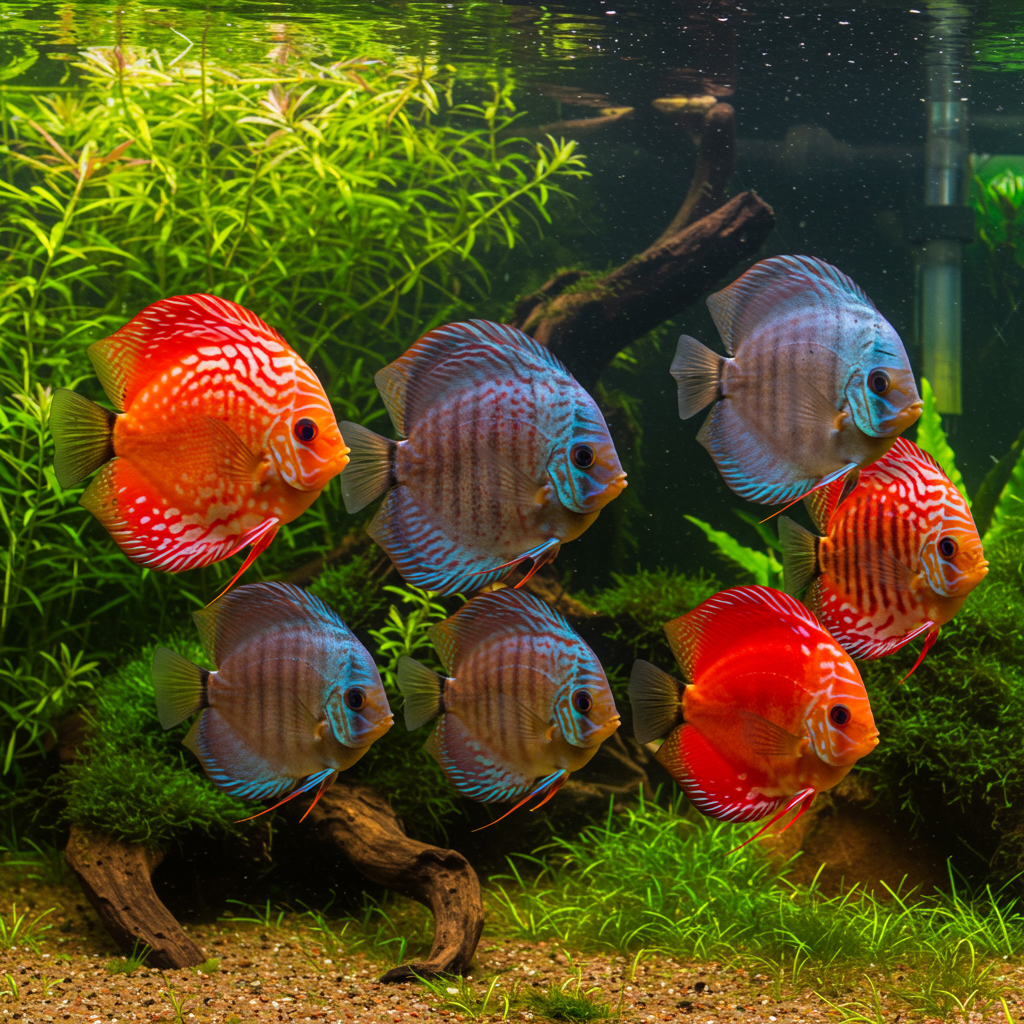
Discus are tropical cichlids from the Amazon basin, prized for their:
- Round, laterally compressed bodies
- Striking colors and patterns
- Graceful, slow swimming style
- Complex social behavior and pair-bonding
They demand warm, clean, and stable water and do best in dedicated Discus setups or carefully planned community tanks.
Quick Facts Table
| Attribute | Details |
|---|---|
| Common Name | Discus, Discus Fish |
| Scientific Name | Symphysodon spp. (primarily S. aequifasciatus, S. haraldi) |
| Family | Cichlidae |
| Origin | Amazon River Basin, South America |
| Adult Size | 5–7 in (12–18 cm) diameter |
| Lifespan | 8–12+ years (often 10+ with good care) |
| Care Level | Intermediate to Advanced |
| Temperament | Peaceful, social, hierarchical |
| Minimum Group Size | 5–6 (larger groups are more stable) |
| Minimum Tank Size | 55 gallons (208 L) for a small group; 75–125+ gallons preferred |
| Temperature Range | 82–86°F (28–30°C) |
| pH Range | 6.0–7.5 (slightly acidic to neutral; stability is key) |
| Hardness Range | Soft to moderately soft (1–8 dGH) |
| Tank Level | Mid-water, often near center/front |
| Diet Type | Omnivore (protein-heavy: insects, worms, quality prepared foods) |
2. Species Profile & Varieties
2.1 Origin & Natural Habitat
Discus come from the slow-moving tributaries and floodplains of the Amazon:
- Blackwater and clearwater environments
- Warm, soft, slightly acidic water
- Areas with submerged roots, branches, and marginal plants
- Often in shaded areas under dense jungle canopy
In nature, they live in loose groups, feeding on small invertebrates, detritus, and plant matter.
2.2 Species & Classification
Currently recognized wild species include:
- Symphysodon aequifasciatus – “Blue/Brown Discus”
- Symphysodon haraldi – “Blue Discus”
- Symphysodon tarzoo (sometimes recognized) – “Green Discus”
In the aquarium hobby, however, you’ll mostly encounter captive-bred strains that are hybrids of these species.
2.3 Discus Varieties (Strains)
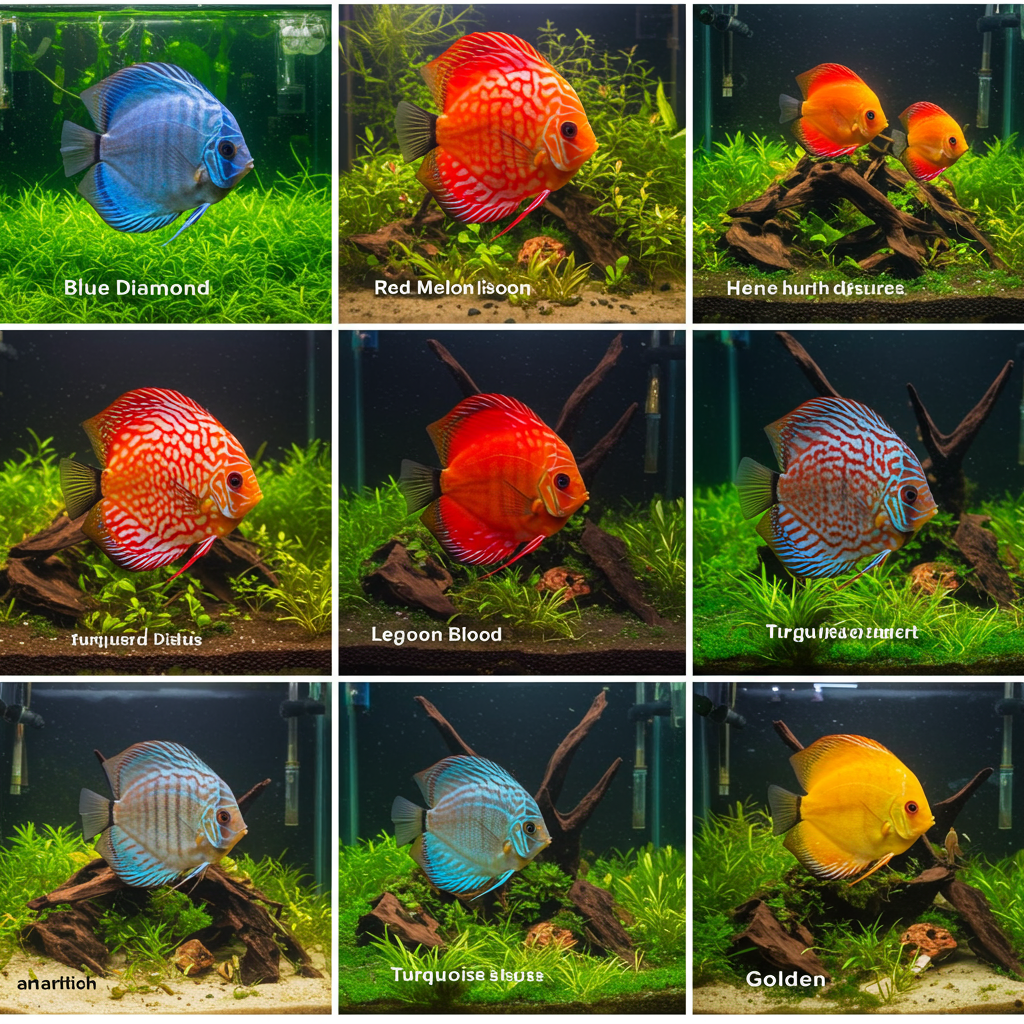
Breeders have developed an incredible range of color and pattern varieties:
Classic & Patterned:
- Turquoise Discus (Red/Blue Turquoise) – intricate stripes and spots
- Leopard / Leopard Snake – dense spotting patterns
- Checkerboard Pigeon – checkered pattern with pigeon blood background
- Snakeskin Discus – fine, maze-like patterning
Solid & High-Color:
- Blue Diamond – solid electric blue
- Marlboro Red / Solid Red – intense red/orange body with white/cream face
- Golden Discus – soft golden-yellow body, often with red eyes
Other Popular Strains:
- Pigeon Blood
- Cobalt Blue
- Albino strains
- Red Melon
- Ghost / White Discus
Each strain may vary slightly in hardiness. Captive-bred Discus from reputable breeders are generally far easier than wild-caught fish.
2.4 Wild vs Captive-Bred Discus
- Wild Discus:
- Often more demanding: softer, more acidic water, very clean conditions
- More sensitive to stress and pathogens
- Natural, earthy colors and patterns
- Captive-Bred Discus:
- Bred for color, size, and improved adaptability
- Many can thrive in treated tap water (if stable and soft to moderate hardness)
- Best choice for most aquarists focusing on Discus fish care
3. Tank Requirements & Setup
Discus are large, tall-bodied fish that need space, height, and clean water.
3.1 Tank Size & Stocking
- Minimum for a small group (5–6 Discus):
- 55 gallons (208 L), bare minimum and best for grow-out or lightly aquascaped tanks
- Recommended for adults / display tanks:
- 75–90 gallons (280–340 L) for 6–8 Discus
- 125+ gallons (475+ L) for 10+ Discus and community fish
Key point: Keeping at least 5–6 Discus spreads out aggression and creates a more stable social hierarchy.
3.2 Bare-Bottom vs Planted Discus Tanks
Bare-Bottom Discus Tank:
- Easier to siphon waste and feed heavily
- Popular for growing juveniles and breeding pairs
- Often minimal decor (just cones, driftwood, or PVC)
Planted Discus Tank:
- More natural and visually stunning
- Provides cover, reduces stress, and improves biological filtration
- Harder to keep ultra-clean; requires good aquascaping and maintenance
Beginner Discus fish care tip:
- Many aquarists start juveniles in a bare-bottom tank for 6–12 months, then move adults to a larger planted display tank.
3.3 Filtration & Flow
Discus need:
- Strong biological filtration
- Gentle to moderate flow (they dislike strong currents directly on them)
Good options:
- Large canister filters for display tanks
- Sponge filters in bare-bottom/breeding tanks
- HOB filters can supplement, but often not enough alone for large Discus groups
Aim for:
- Total turnover of 5–8x tank volume per hour, but diffuse returns to avoid blasting the fish.
3.4 Heating & Temperature Stability
Discus are warm-water fish:
- Ideal range: 82–86°F (28–30°C)
Use:
- High-quality, reliable heater(s) (often 2 smaller heaters instead of 1 large for redundancy)
- A good thermometer to monitor daily
- In cooler rooms, consider an in-line heater or additional heater in the filter return
Temperature swings stress Discus and invite disease.
3.5 Aquascape & Decor
For a planted Discus aquarium:
- Substrate:
- Inert sand or fine gravel, or nutrient-rich soil capped with sand
- Hardscape:
- Driftwood roots and branches
- Vertical elements (tall wood, backgrounds) that complement their body shape
- Plants suited to warm water:
- Amazon Swords (Echinodorus)
- Java Fern
- Anubias
- Cryptocoryne (some species tolerate warmth)
- Floating plants for shade (Frogbit, Salvinia)
Provide:
- Open mid-water swimming area
- Tall plants and driftwood at the back and sides
- Clear front viewing space

4. Water Parameters & Maintenance Schedule
Consistent water quality and stability are the foundation of successful Discus fish care.
4.1 Ideal Water Parameters
| Parameter | Recommended Range |
|---|---|
| Temperature | 82–86°F (28–30°C) |
| pH | 6.0–7.5 (slightly acidic to neutral) |
| GH (Hardness) | 1–8 dGH (soft to moderately soft) |
| KH | 1–5 dKH |
| Ammonia | 0 ppm |
| Nitrite | 0 ppm |
| Nitrate | Ideally < 20 ppm (always < 40 ppm) |
Note:
- Wild Discus often need soft, acidic water;
- Many captive-bred Discus can adapt to moderate, stable tap water as long as it’s dechlorinated and consistent.
4.2 Water Change Regimen
Discus do best with frequent, substantial water changes, especially in grow-out tanks.
Example schedules:
- Bare-bottom grow-out tank (high feeding):
- 30–50% water change daily or every other day
- Moderately stocked planted Discus tank:
- 30–50% water change 2–3 times per week
Always:
- Match temperature closely
- Dechlorinate tap water
- Avoid big swings in pH or TDS
4.3 Testing & Monitoring
Use reliable liquid test kits for:
- Ammonia
- Nitrite
- Nitrate
- pH
Also helpful:
- GH/KH test kits, especially if your tap water is very soft or very hard
- TDS meter for advanced keepers monitoring solids in the water
Discus often show subtle stress signs before measurable problems appear—watch behavior and appetite as carefully as test numbers.
Example Weekly Maintenance Schedule
| Day | Task |
|---|---|
| Mon | 30–40% water change, glass wipe |
| Wed | 30–40% water change, quick substrate vacuum |
| Fri | 30–40% water change, filter intake check |
| Sun | Check parameters, trim plants, equipment check |
5. Diet, Feeding Schedule & Nutrition Tips
Discus are omnivores, but in the aquarium they thrive on a protein-rich, varied diet.
5.1 Staple Foods
High-quality prepared foods have made Discus fish care much easier:
- Discus-specific pellets/granules (slow-sinking)
- High-protein tropical granules
- Soft, easily digestible formulas
Look for:
- Whole fish, shrimp, krill as main ingredients
- Added vitamins (especially vitamin C)
- Minimal low-quality fillers
5.2 Frozen & Live Foods
2–5 times per week, supplement with:
- Frozen (or live, carefully sourced):
- Bloodworms
- Brine shrimp
- Mysis shrimp
- Beef heart mixes (used by many breeders, though best in moderation and with great filtration)
Beef Heart Note:
- Provides rapid growth and conditioning but can be messy and fatty.
- Use only from reputable sources and maintain strict water change routines.
5.3 Feeding Frequency
- Juveniles (under ~4 inches):
- 4–6 small feedings per day
- Heavy feeding requires heavy water change regimen
- Subadults & Adults:
- 2–3 meals per day, smaller portions
- Only what they consume in a few minutes
Overfeeding is one of the most common mistakes in Discus fish care. Uneaten food quickly ruins water quality.
5.4 Recommended Brands (for Affiliates)
You can safely recommend:
- Hikari Discus Bio-Gold
- Tetra Discus Granules
- Northfin Discus formula
- Fluval Bug Bites (color or cichlid formula, appropriately sized)
- High-quality frozen foods from reputable brands
5.5 Nutrition Tips
- Rotate foods for variety: pellets, frozen, live.
- Avoid feeding exclusively on one rich food type (like bloodworms) to prevent nutritional imbalance.
- Observe body shape:
- Sunken flanks or pinched forehead may indicate parasitic or nutritional issues.
- Overly round belly plus thick waste can indicate overfeeding or constipation.
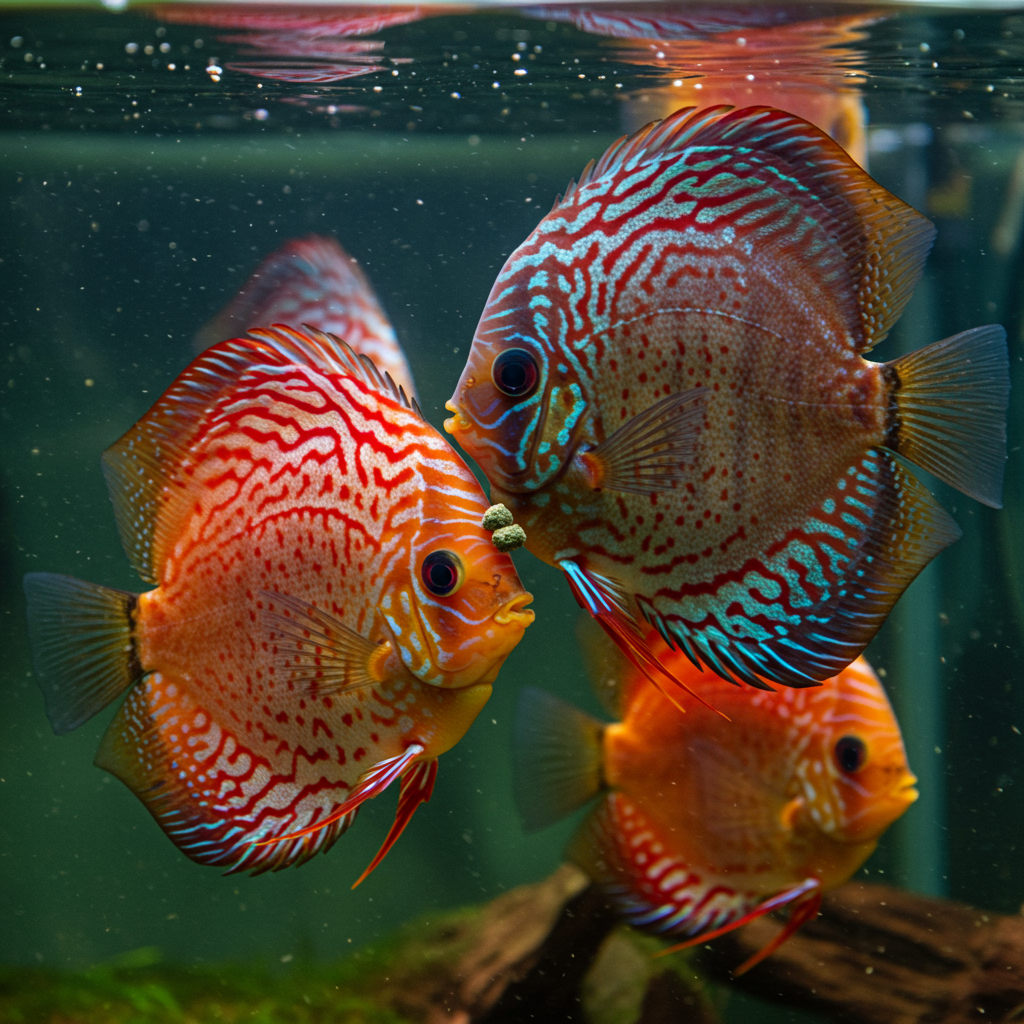
6. Temperament & Tank Mates
6.1 Temperament
Discus are:
- Generally peaceful, gentle cichlids
- Social and hierarchical—dominant fish may claim favored spots
- Shy when kept in too small groups or with boisterous tank mates
They feel most secure in:
- Groups of 5–6+
- Tanks with vertical cover (plants, wood) and calm, predictable routines
6.2 Suitable Tank Mates
Tank mates must tolerate high temperatures (82–86°F) and be peaceful.
Good choices:
- Tetras:
- Cardinal Tetras
- Rummy-nose Tetras
- Lemon Tetras (in large tanks)
- Corydoras Catfish:
- Sterbai Cory (Corydoras sterbai) – highly recommended (heat-tolerant)
- Other warm-tolerant Cory species
- Dwarf Plecos / Algae Eaters:
- Bristlenose Pleco (one per tank or pair in large setups)
- Otocinclus (with care; ensure maturity & stability)
- Other:
- Some peaceful dwarf cichlids (Apistogramma) in large, well-structured tanks
- Hatchetfish (upper water, with lid)
6.3 Tank Mates to Avoid
Avoid:
- Fin-nippers (Tiger Barbs, Serpae Tetras)
- Fast, boisterous fish (many danios, large barbs)
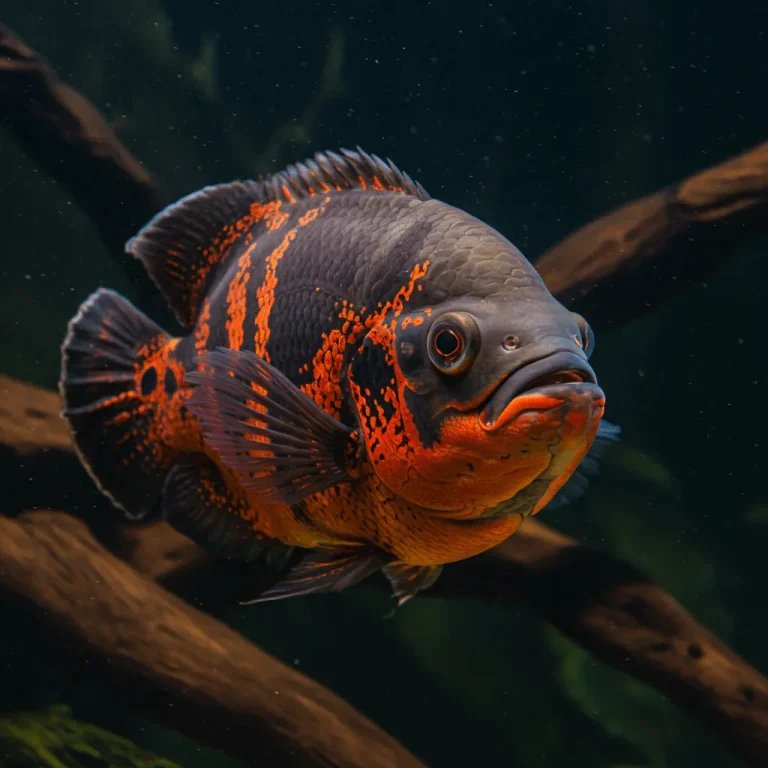
- Large aggressive cichlids (Oscars, Convicts, Jack Dempsey, etc.)
- Most goldfish (different temperature and water quality preferences)
- Overly aggressive Plecos that may suck slime coat (some common Plecos and large Hypostomus/Pterygoplichthys species)
Mixing Discus with Angelfish is controversial:
- Some keepers do it in large tanks, but:
- Angelfish can outcompete Discus for food
- Carry parasites/discus plague risk
- Nippy, especially toward slow feeders
For reliable Discus fish care, many hobbyists avoid Angelfish with Discus, especially when starting out.
7. Breeding Discus
(Section title was “Breeding Angelfish” in your template; here we cover Breeding Discus.)
Breeding Discus is very rewarding but requires dedication.
7.1 Forming Pairs
Discus form monogamous pairs, often selecting partners from a group:
- Best approach:
- Purchase a group of 6–10 juveniles
- Let them mature together
- Observe naturally forming pairs (they defend a corner, clean surfaces, and drive others away)
Sexing Discus visually is difficult until pairs form and breeding behavior starts.
7.2 Breeding Tank Setup
Once a pair forms, move them to:
- A separate breeding tank:
- Size: 20–40 gallons (larger is more stable)
- Bare-bottom for cleanliness
- Sponge filter or gentle HOB filter
- Spawning surface:
- Breeding cone
- Vertical slate
- PVC pipe
- Broad-leaf plant (in some setups)
Water parameters (typical starting point):
- Temperature: 82–86°F (28–30°C)
- pH: 6.0–6.8
- Soft water (1–4 dGH) often preferred for better egg fertility (especially with wild bloodlines)
7.3 Spawning & Parental Care
Spawning sequence:
- Pair cleans chosen spawning surface.
- Female lays rows of eggs.
- Male follows behind to fertilize them.
- Parents fan eggs and guard the area.
- Eggs hatch in ~48–60 hours (depending on temperature).
- Larvae (wigglers) remain attached to the surface for a few days.
- Once free-swimming, fry attach to parents’ bodies and feed on a special nutritious skin mucus.
This parental mucus feeding is a unique and fascinating aspect of Discus breeding.
7.4 Raising Fry
To raise fry successfully:
- Maintain pristine water with small, frequent water changes.
- Keep lighting low to moderate; avoid stress.
- After a few days of mucus-feeding, start offering:
- Newly hatched baby brine shrimp
- Micro-worms
- Very fine powdered fry food
As fry grow:
- Gradually reduce reliance on parents (some breeders remove parents once fry eat well).
- Increase tank size or move to dedicated grow-out tanks.
Breeding Discus is not the first project a beginner should attempt, but for experienced keepers, it’s incredibly rewarding.
8. Common Diseases, Prevention & Treatment
Discus are sensitive to:
- Poor water quality
- Sudden parameter changes
- Pathogens brought in by new fish
8.1 Common Diseases in Discus
- Ich (White Spot Disease)
- Less common at higher temps, but still possible.
- Symptoms: white spots, flashing, clamped fins.
- Hole-in-the-Head (HITH) / Lateral Line Erosion
- Pitting on head and along lateral line.
- Linked to Hexamita parasites, poor diet, and/or long-term water quality issues.
- Internal Parasites (Hexamita, Nematodes, etc.)
- Symptoms: white, stringy feces, weight loss despite eating, dark coloration.
- Gill Flukes / External Parasites
- Rapid breathing, one gill clamped, scratching, lethargy.
- Bacterial Infections / Discus Plague (catch-all term)
- Darkening of body, clamped fins, heavy mucus, rapid breathing, hiding.
- Highly contagious; can wipe out tanks if not dealt with.
8.2 Prevention Strategies
- Quarantine all new fish for at least 4 weeks in a separate tank.
- Maintain excellent water quality and avoid overstocking.
- Avoid mixing Discus from many unknown sources.
- Provide a nutritious, varied diet and stable warm temperature.
- Clean and disinfect nets, equipment between tanks.
8.3 Treatment (General Guidelines)
Always research and follow product instructions and, when possible, consult an aquatic vet or experienced Discus keeper.
- Ich:
- Raise temperature if appropriate.
- Use Ich medications suitable for scaleless/ sensitive fish (at Discus-safe dosage).
- Internal Parasites / Hexamita:
- Use metronidazole-based treatments (often in food and/or water, as directed).
- Combine with improved water changes and diet.
- Gill/Body Flukes:
- Praziquantel or other flukicide medications (follow directions carefully).
- Bacterial infections / “Discus plague” signs:
- Isolate affected fish if possible.
- Use broad-spectrum antibiotics where legally and ethically available, under guidance.
Always remove activated carbon during treatment and increase aeration.
9. Where to Buy & Price Guide
9.1 Where to Buy Discus
You can buy Discus from:
- Local Fish Stores (LFS):
- Check for stores specializing in Discus or higher-end freshwater fish.
- Inspect fish carefully for color, behavior, and body condition.
- Dedicated Discus Breeders:
- Often the best source for healthy, well-acclimated fish.
- Can provide guidance on water parameters and care.
- Online Discus Retailers:
- Many ship nationwide/internationally with live-arrival guarantees.
- Ensure they have strong reputations and clear photos.
9.2 Price Range
Prices vary widely by:
- Strain (color/pattern)
- Size
- Source (mass-produced vs boutique breeder)
Approximate ranges:
| Size / Type | Typical Price Range (varies by region) |
|---|---|
| Small juveniles (2–3 in) | Lower to moderate |
| Medium (3.5–4.5 in) | Moderate to higher |
| Large adults (5–6+ in) | Higher to premium |
| Rare strains / wild-caught | Premium to very high |
Buying medium-sized juveniles is often a sweet spot: you can watch them grow and color up, but they’re past the most fragile stage.
10. Beginner Mistakes to Avoid
- Starting with a Small Tank
- Discus need space and groups; a 20–30 gallon tank is not appropriate for adults.
- Keeping Just One or Two Discus
- Leads to bullying, stress, and illness. Minimum 5–6 is strongly recommended.
- Ignoring Water Quality & Stability
- Inconsistent water changes, big parameter swings, or high nitrates quickly cause problems.
- Mixing with Incompatible Tank Mates
- Fin-nippers or very fast feeders stress Discus and steal food.
- Buying Cheap, Weak Stock
- Discount store Discus are often stunted or sick. Always prioritize quality sources.
- Overfeeding & Under-Cleaning
- Rich foods + poor maintenance = disease and death.
- Skipping Quarantine
- Introducing new fish straight into a Discus tank is asking for trouble.
- Chasing Perfect pH with Chemicals
- Stability matters more than hitting an exact number; constant pH swings are worse than a slightly “imperfect” but stable pH.
11. Care Level & Difficulty Rating
For most hobbyists:
- Care Level: Intermediate to Advanced
- Difficulty Rating: 7–8 / 10
Discus are best for:
- Aquarists with at least some experience maintaining stable community tanks
- People willing to do regular water changes and testing
- Those ready to invest in proper tank size, filtration, and quality food
They’re not ideal as a very first fish, but they’re very achievable as a second or third step in the hobby.
12. Pros, Cons & Final Verdict
Pros
- Absolutely stunning centerpiece fish
- Graceful, interactive behavior; many recognize their keepers
- Great in showpiece planted aquariums
- Wide range of colors and patterns
- Fascinating breeding and parental behavior
Cons
- Require warm, very clean, stable water
- Need group housing and large tanks
- Sensitive to poor stock quality and pathogens
- Treatment of disease can be complex and risky
- More expensive than many community fish
Final Verdict
If you’re willing to commit to:
- A properly sized, warm, stable tank,
- Frequent water changes and monitoring, and
- Buying quality captive-bred stock,
then Discus fish care is absolutely within reach—and the result can be one of the most beautiful, rewarding aquariums you’ll ever own.
13. FAQ Section (Frequently Asked Questions)
1. Are Discus fish good for beginners?
They’re not ideal for someone’s very first aquarium, but determined beginners who research thoroughly and follow best practices can succeed. They’re better for beginner-plus to intermediate aquarists.
2. How many Discus should I keep together?
At least 5–6 Discus. Larger groups spread aggression and create a more natural social environment.
3. What tank size do Discus need?
- 55 gallons is the bare minimum for a small group.
- 75–125+ gallons is much better for adults and community setups.
4. Can Discus live in tap water?
Often yes, if your tap water is:
- Dechlorinated
- Not extremely hard or alkaline
- Stable
Many captive-bred Discus do well in moderate, stable tap water. Wild Discus usually require softer, more acidic conditions.
5. What temperature is best for Discus?
82–86°F (28–30°C) is ideal. Lower temperatures increase disease risk; higher temperatures (above ~88°F) can cause stress.
6. Can I keep Discus with Angelfish?
It’s possible in large, well-managed tanks, but not recommended for beginners due to:
- Possible aggression/competition
- Disease transmission (especially between wild/poorly sourced fish)
Most Discus keepers prefer dedicated Discus tanks or carefully chosen tank mates without Angelfish.
7. Do Discus need a planted tank?
No. Many breeders use bare-bottom tanks. Planted tanks are great for display and natural behavior but add complexity to maintenance.
8. How often should I feed Discus?
- Juveniles: 4–6 times per day in small portions
- Adults: 2–3 times per day
Avoid overfeeding and always adjust based on water quality and fish condition.
9. How long do Discus live?
With good care, Discus can live 8–12 years, sometimes longer.
10. Are Discus aggressive?
They’re peaceful cichlids, but can show mild aggression in establishing hierarchy or when breeding. Serious aggression is uncommon in properly sized groups and tanks.
14. Related Articles
Choosing Tank Mates for High-Temperature Aquariums
The Bare-Bottom Tank: The Pro’s Choice for Cleanliness and Growth