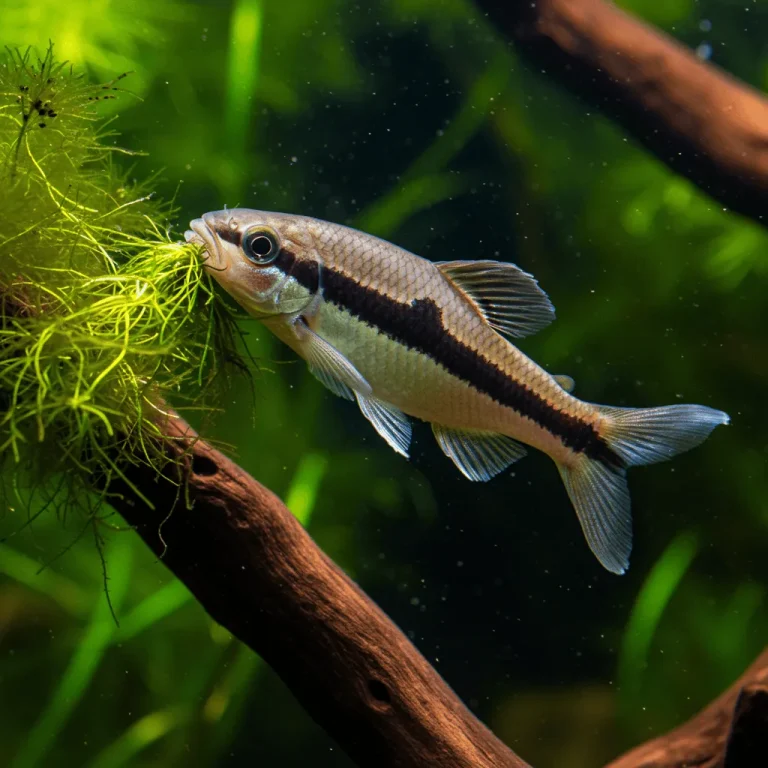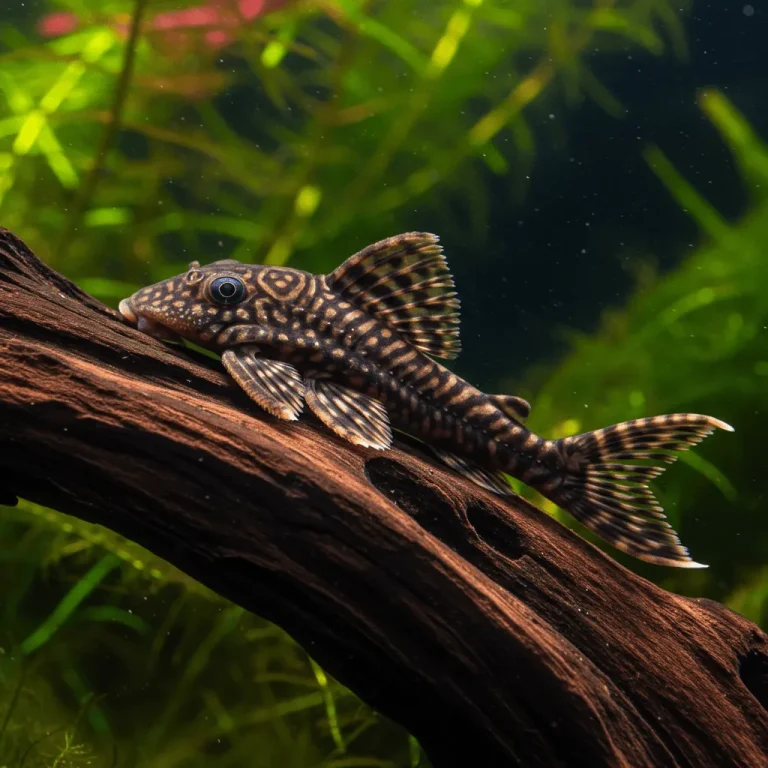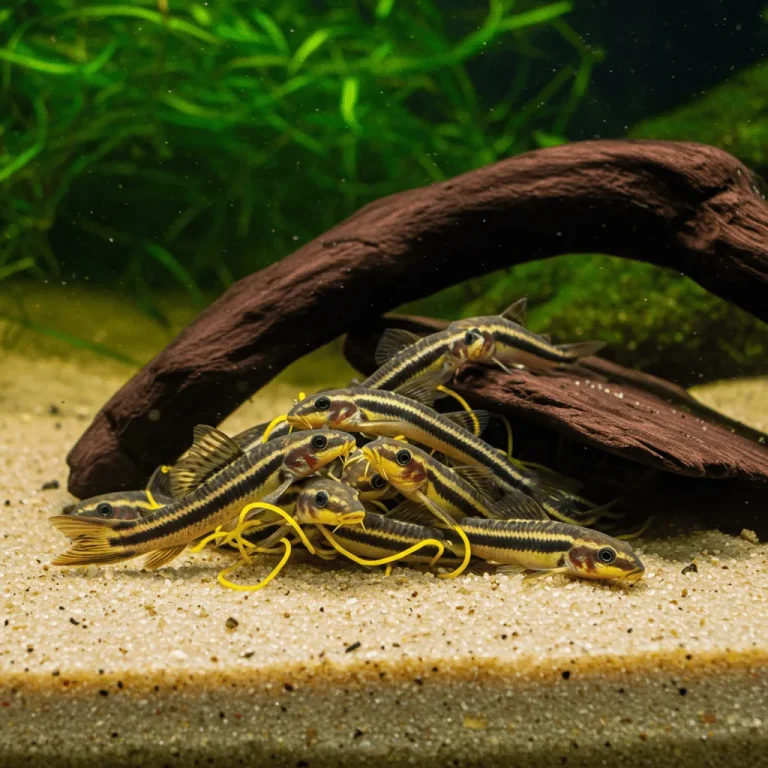
In the world of freshwater aquariums, the battle against algae is constant. While many fish are sold as “algae eaters,” few are as perfectly suited for the job in a small, peaceful community tank as the mighty Otocinclus Catfish. These tiny, tireless workers are the unsung heroes of the nano tank, beloved for their insatiable appetite for soft algae and their completely peaceful nature.
But there’s a crucial secret to keeping these “Oto” cats successfully: they are far more delicate than their hardy appearance suggests. A new aquarium can be a death sentence for them.
This is your definitive guide to Otocinclus Catfish care. We will explore the vital steps to not only keep them alive but to help them thrive, from creating the perfect mature habitat and providing the right diet to understanding their unique sensitivities.
1. Introduction & Quick Facts
Common Names: Otocinclus, Oto cat, Dwarf sucker, Oto catfish
Scientific Genus: Otocinclus (multiple species in the trade)
Otocinclus are tiny, peaceful algae-eating catfish from South America. They’re ideal for planted community tanks once the tank is mature and has stable parameters.
Quick Facts Table
| Attribute | Details |
|---|---|
| Common Name | Otocinclus Catfish, Oto, Oto Cat |
| Genus | Otocinclus (multiple species) |
| Adult Size | 1–2 inches (2.5–5 cm), most 1.5–1.75″ |
| Lifespan | 3–5 years (often shorter if acclimation is poor) |
| Care Level | Moderate (not ideal for brand-new beginners) |
| Temperament | Very peaceful, schooling/shoaling |
| Minimum Group Size | 6+ (they are social fish) |
| Minimum Tank Size | 15–20 gallons (mature, heavily planted) |
| Temperature Range | 72–79°F (22–26°C) |
| pH Range | 6.5–7.5 (slightly acidic to neutral) |
| Hardness Range | Soft to moderately hard (2–12 dGH) |
| Diet Type | Herbivorous micrograzer (algae, biofilm, some veggies) |
| Tank Zone | Mostly glass, plants, hardscape surfaces |
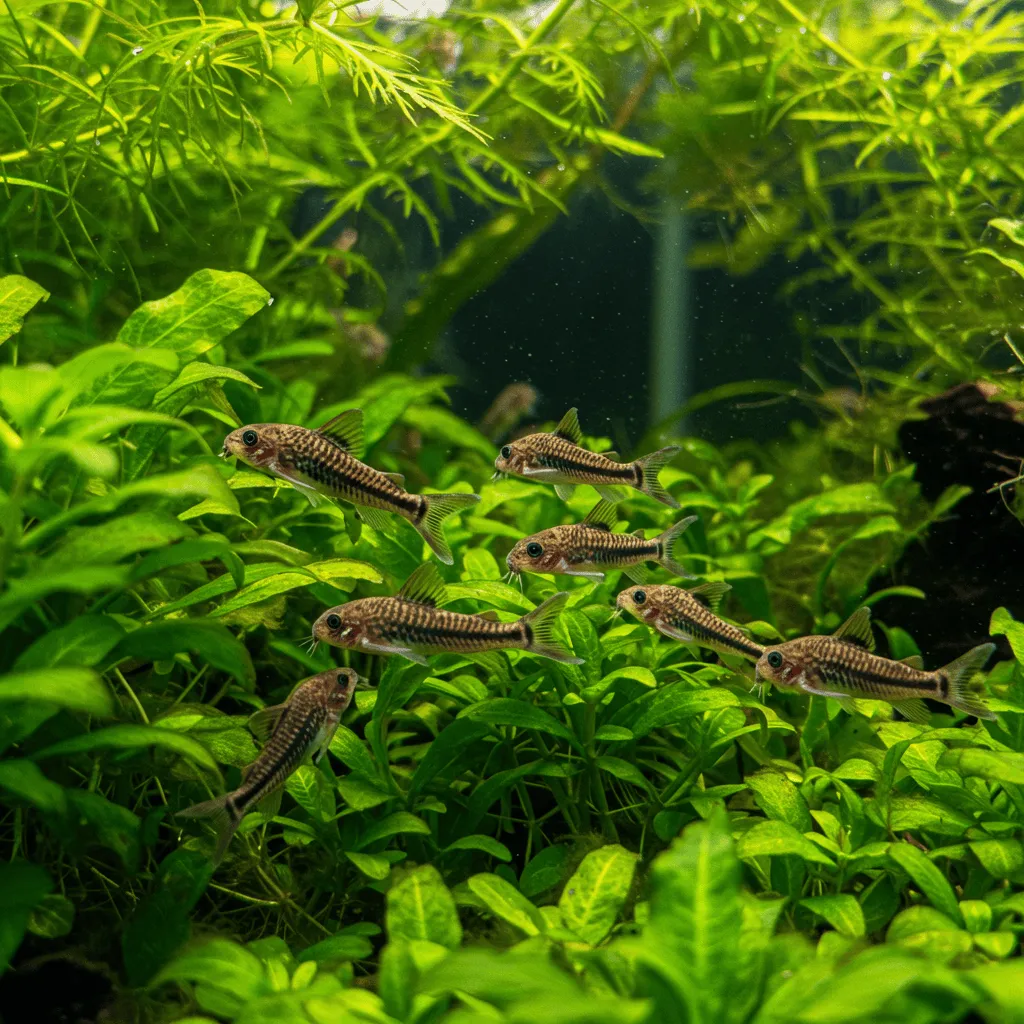
2. Species Profile & Varieties
What Are Otocinclus Catfish?
Otocinclus catfish are tiny suckermouth catfish from South America, found in:
- Shallow streams and creeks
- Heavily vegetated river margins
- Areas with lots of algae and biofilm on rocks, wood, and plants
They belong to the family Loricariidae (same family as plecos) but stay far smaller and have a much more delicate build.
Key characteristics:
- Slender, torpedo-shaped body
- Sucker mouth on the underside of the head
- Horizontal stripe (most species) along the side
- Constantly attached to surfaces, grazing
- Need to be kept in groups, not as lone individuals
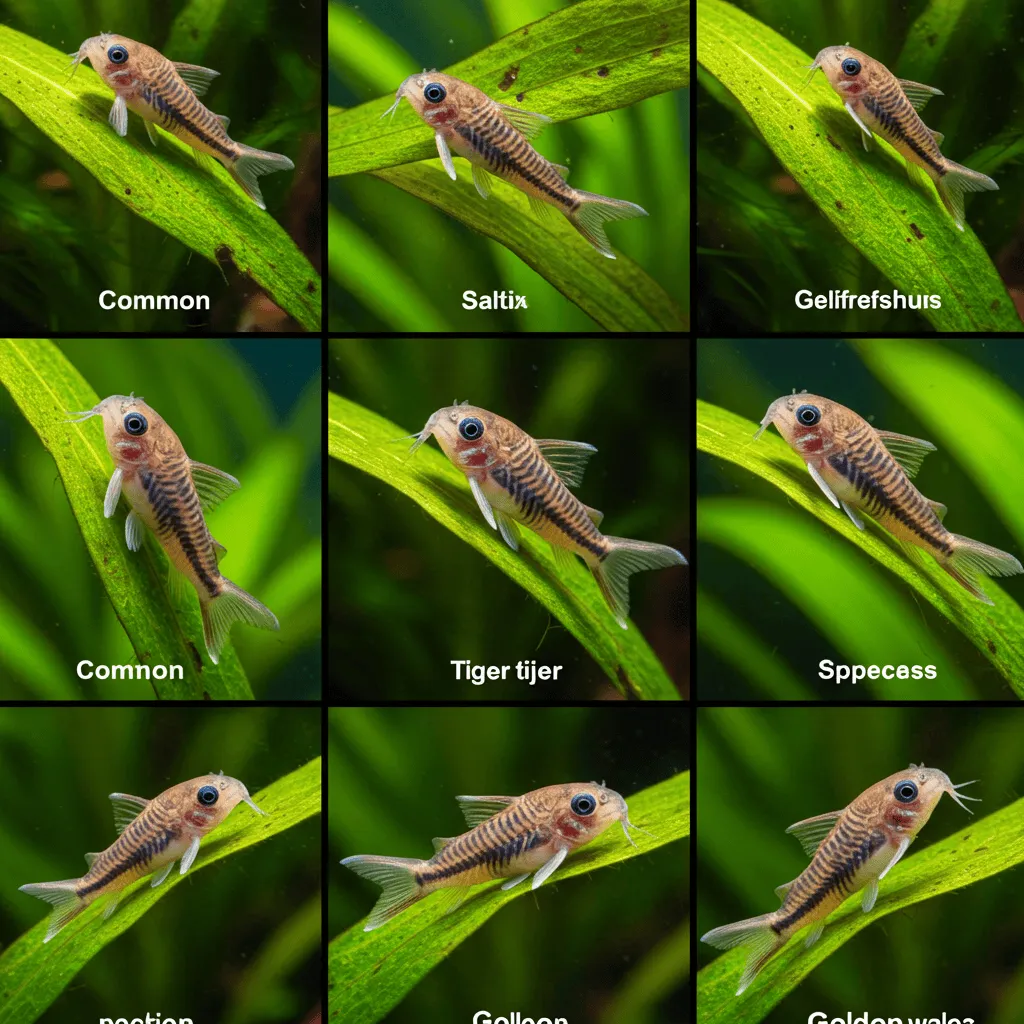
Common Otocinclus Species in the Hobby
Most fish stores label all of them simply as “Otocinclus,” but there are several species commonly sold:
| Common Name | Likely Scientific Name | Identification Notes |
|---|---|---|
| Common Oto | Otocinclus vittatus | Thin dark stripe, light belly |
| Tiger Oto | Otocinclus cocama | Broken stripe forming a tiger-like pattern |
| Golden Oto | Otocinclus affinis (often misapplied) | Lighter overall tone, subtle stripe |
| Zebra Oto (rare) | Otocinclus cocama variant | Strong broken banding along the body |
| “Affinis” trade name | Often O. macrospilus/vittatus | Mislabelled, similar care |
For Otocinclus catfish care, the different species all share very similar requirements. The main differences are size, pattern, and price.
Physical & Behavioral Profile
- Size: Most Otos max out around 1.5–1.75″ (4–4.5 cm).
- Body: Slender, slightly flattened belly, armored plates on sides.
- Behavior:
- Very social, shoaling fish
- Calm and non-aggressive
- Spend most time attached to glass, plant leaves, and decor
- Dart away quickly when startled
3. Tank Requirements & Setup
There’s one critical truth about Otocinclus catfish care:
They do NOT belong in brand-new, just-cycled tanks.
Otos are delicate and almost always wild-caught. They require:
- A mature tank (3+ months),
- Established algae and biofilm, and
- Very stable water parameters.
Minimum Tank Size
- 15–20 gallons is a good starting point for a group of 6–10 Otos.
- You can keep them in larger tanks (40, 55+, etc.) along with other community fish.
Why not smaller?
- Small tanks are less stable chemically and thermally.
- Otos are sensitive to parameter swings and sudden changes.
Group Size
Otos are shoaling fish. You’ll see the best behavior if you keep:
- At least 6 Otocinclus catfish, preferably more (8–12+ in bigger tanks)
Small groups or single Otos often become shy, stressed, and may die prematurely.
Substrate
Otos don’t dig, but they appreciate a natural substrate environment:
- Preferred:
- Fine sand or smooth gravel
- Darker substrates help them feel secure and show off their colors
- Avoid:
- Sharp gravel that could damage soft belly or fins
- Bare, sterile tanks (they need surfaces for biofilm and algae)
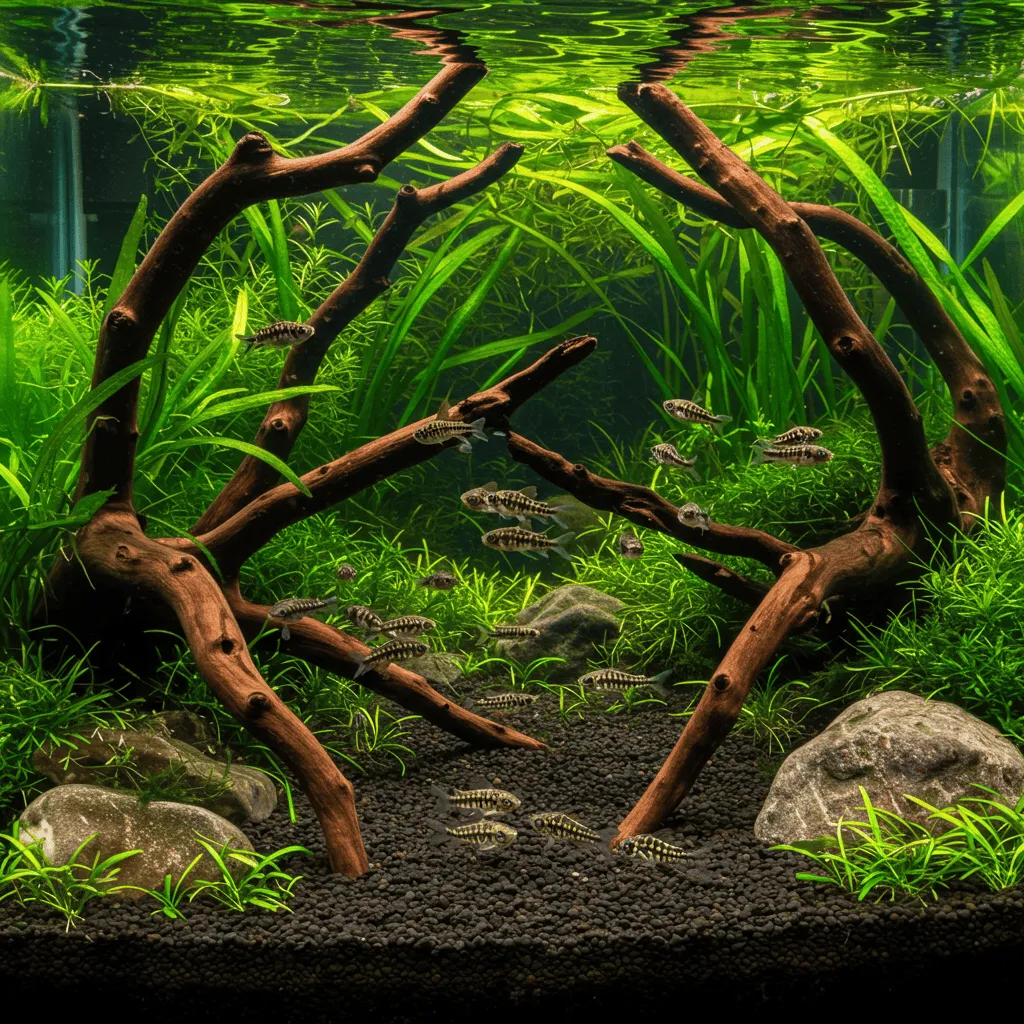
Hardscape & Plants
Otos love planted, heavily decorated tanks because they provide:
- Big surface area for algae & biofilm
- Hiding places and shade
- Security from bright lights and tankmates
Recommended decor:
- Driftwood pieces (cholla wood, spider wood, Malaysian, etc.)
- Smooth stones and rocks
- Branchy structures and caves
Plants that pair well with Otos:
- Anubias
- Java Fern
- Bucephalandra
- Cryptocoryne
- Amazon Swords
- Floating plants (Frogbit, Salvinia, Water Lettuce) for shade
Filtration & Flow
Otos come from well-oxygenated waters but don’t like blasting flow.
- Use a good-quality filter (HOB or canister) that provides:
- Stable biological filtration
- Gentle to moderate current
- Add a sponge pre-filter to protect Otos from being sucked in and to create another grazing surface.
Lighting
- Medium to strong lighting is okay for plants, but make sure you have:
- Plants, wood, or floating plants for shade
- Areas of calmer, dimmer light where fish can rest
More light = more algae, which is good for Otos—but balance is key for plant health and overall algae control.
Cycling & Maturity (Critical)
Before adding Otocinclus catfish:
- Fully cycle your tank (0 ammonia, 0 nitrite, some nitrate).
- Let it run for at least 2–3 months with plants and fish before Otos.
- Allow green film algae and biofilm to develop on surfaces.
4. Water Parameters & Maintenance Schedule
Otos are not extremely picky about exact numbers as long as:
- The parameters are within a reasonable range, and
- They are stable and clean.
Ideal Water Parameters
| Parameter | Recommended Range |
|---|---|
| Temperature | 72–79°F (22–26°C) |
| pH | 6.5–7.5 |
| GH (General Hardness) | 2–12 dGH |
| KH (Carbonate Hardness) | 1–8 dKH |
| Ammonia | 0 ppm |
| Nitrite | 0 ppm |
| Nitrate | Ideally < 20 ppm (max ~40 ppm) |
Otos can tolerate somewhat outside these ranges once acclimated, but sudden changes are stressful and often fatal.
Maintenance Schedule
Daily:
- Observe Otos:
- Are they actively grazing?
- Any clamped fins, gasping, or unusual hiding?
- Check temperature and filter flow.
Weekly:
- Test water (ammonia, nitrite, nitrate, pH).
- Perform 20–30% water change (or more if nitrate is high).
- Clean glass lightly (leave some algae patches for Otos).
- Rinse pre-filter sponges in old tank water.
Monthly:
- Rinse main filter media in tank water (never tap water).
- Check for any dead spots where debris accumulates.
- Trim plants and remove decaying leaves.
With Otocinclus catfish care, over-cleaning can sometimes remove too much biofilm and algae. Keep the tank clean, but not sterile.
5. Diet, Feeding Schedule & Nutrition Tips
Many Otocinclus die in home aquariums not because of water quality, but because they slowly starve.
They arrive:
- Often wild-caught
- Already stressed and underfed from shipping
- Thrown into tanks with insufficient algae and biofilm
Natural Diet
In the wild, Otos feed on:
- Soft green algae
- Diatoms (brown algae)
- Biofilm (bacteria, microalgae, microfauna)
- Some plant matter and detritus
They are micrograzers, not general scavengers or leftover-eaters like some other catfish.
In the Aquarium: What They Should Eat
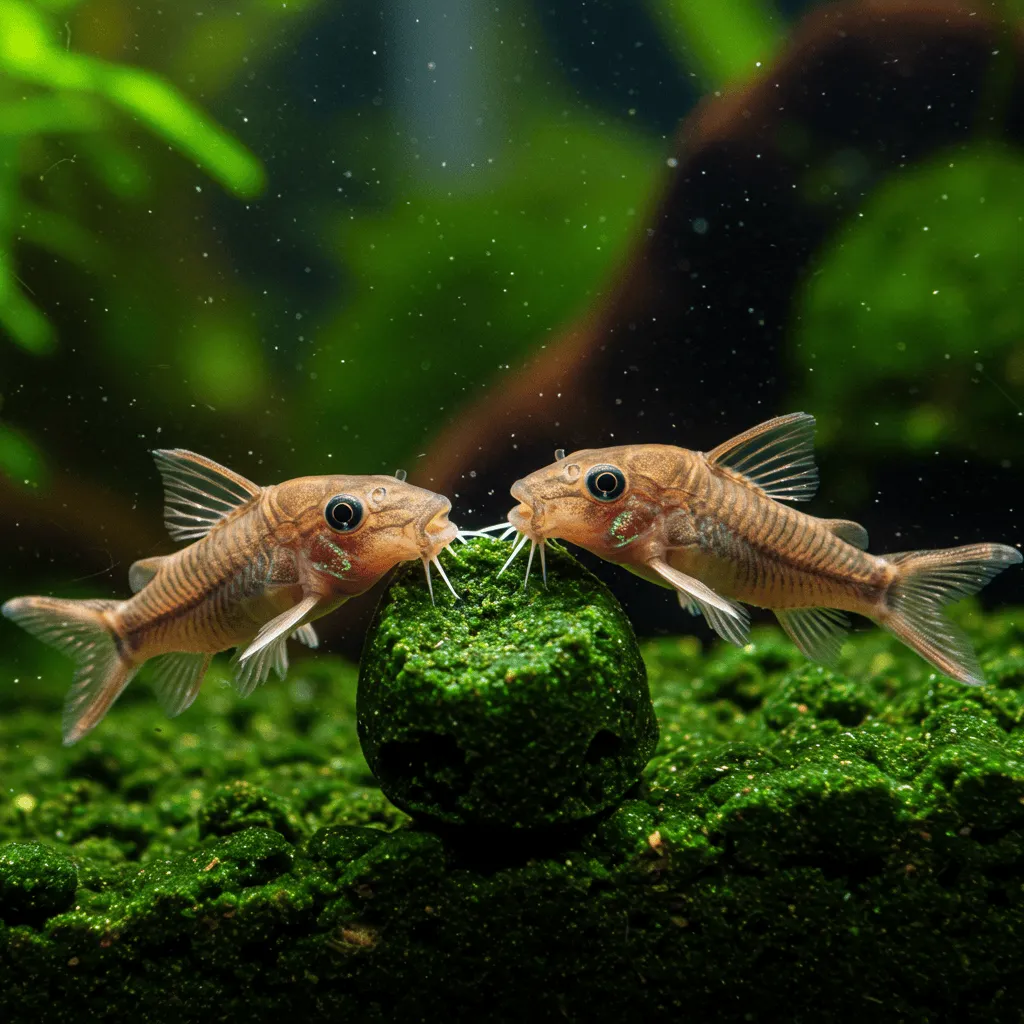
- Algae & Biofilm (Primary)
- Film algae on glass, plants, and decor
- Biofilm on wood and rocks
- Supplemental Foods (Essential in most tanks):
- High-quality algae wafers (broken into small pieces)
- Sinking veggie-based pellets
- Repashy gel foods (e.g., Soilent Green) smeared on rocks or wood
- Blanched veggies:
- Zucchini
- Cucumber
- Spinach/kale (small amounts)
- Green beans
- Occasional Protein:
- Very small amounts of crushed flakes or micropellets
- Tiny bits of frozen daphnia or baby brine shrimp
- Don’t overdo protein—Otos are primarily herbivorous.
Feeding Schedule
- In a newly added group, feed daily with supplemental foods, even if algae is present.
- Once established, with good algae growth, you can feed every other day, adjusting based on:
- Belly appearance (slightly rounded is good; sunken is bad)
- Presence of visible algae/biofilm
Place algae wafers and veggies:
- Near their favorite grazing areas
- After lights dim so mid-water fish don’t eat everything first
Signs of Underfeeding or Starvation
- Very sunken belly behind the head
- Lethargy, hiding constantly, rarely seen grazing
- Sudden unexplained deaths over several weeks
If you see this:
- Increase supplemental feeding
- Ensure other fish are not outcompeting them
- Offer a variety of algae-based foods and veggies
Recommended Food Brands (for Affiliates)
- Hikari Algae Wafers
- Fluval Bug Bites (Algae Crisps or Pleco formula, crumbled)
- Omega One Veggie Rounds
- Repashy “Soilent Green” or “Super Green”
- Northfin Veggie Formula (crushed as needed)
6. Temperament & Tank Mates
Temperament
Otocinclus are:
- Very peaceful
- Timid but active when comfortable
- Completely non-aggressive to other fish and invertebrates
They spend most of their time:
- Grazing on leaves, glass, and décor
- Shoaling loosely with other Otos
- Dashing away when startled, then quickly returning to graze
Ideal Tank Mates
Look for calm, non-aggressive fish that won’t outcompete Otos too severely for food, such as:
- Small peaceful tetras:
- Neon, Ember, Rummy-nose, Black Neon
- Rasboras:
- Harlequin, Lambchop, Chili
- Small livebearers:
- Guppies, Endlers, Platies (in compatible water)
- Other catfish & bottom dwellers:
- Corydoras
- Small peaceful loaches (like kuhli loaches)
- Invertebrates:
- Amano shrimp
- Cherry shrimp (Neocaridina)
- Nerite snails, mystery snails
Tank Mates to Avoid
- Large, boisterous, or predatory fish:
- Oscars, large cichlids, big barbs
- Aggressive fin-nippers:
- Tiger barbs, some larger danios if tank is small
- Very messy, high-waste fish like big goldfish (different temperature and water needs)
Otocinclus thrive best in peaceful, planted community tanks with similarly gentle fish.
7. Breeding Otocinclus Catfish (Otos)
Breeding Otocinclus in home aquariums is possible but uncommon. Most Otos in the trade are still wild-caught.
Difficulty Level
- Advanced: Not recommended as a first breeding project
- Far easier to breed Corydoras or livebearers than Otos
However, if conditions are ideal, Otos may surprise you by spawning in a mature, stable tank.
Conditioning & Requirements
- A large, well-established planted tank with stable, soft to moderately soft water
- Plenty of algae, biofilm, and hiding spots
- Regular feeding with high-quality veggie foods and occasional protein
- Group of healthy, mature Otos (6+)
Sexing Otos is extremely difficult:
- Females sometimes appear slightly rounder, especially when full of eggs
- Males may be a bit slimmer, but differences are subtle
Spawning Behavior (Rarely Observed)
Reports from advanced keepers suggest:
- Otos may scatter eggs on glass, plants, and decor
- No active parental care; eggs are left on surfaces
- Eggs are small, sticky, and translucent to whitish
Fry & Rearing
If you do find eggs or tiny fry:
- Protect them from being eaten:
- Use a breeding box or gently move decor with eggs to a separate tank.
- Provide:
- Gentle sponge filtration
- Constant surface area with biofilm and algae
- Very finely powdered veggie foods
- Infusoria and microalgae growth
- Maintain:
- Very stable, clean water
- No harsh lights or strong currents
Even with careful attention, Otocinclus fry survival rates can be low. Most aquarists will never see Oto fry, and that’s perfectly normal.
8. Common Diseases, Prevention & Treatment
Otocinclus are relatively more fragile than many community fish. Most problems stem from:
- Poor acclimation
- Starvation
- Poor water quality
Common Health Issues
- Stress & Sudden Deaths After Purchase
- Very common due to wild capture, shipping, and starvation.
- Prevention: Buy from reputable sources, choose active, well-fed fish, acclimate slowly, put into mature tanks.
- Starvation / Wasting
- Sunken bellies, lethargy, slow deaths over weeks.
- Prevention: Plenty of algae/biofilm, plus supplemental algae wafers and veggies.
- Ich (White Spot Disease)
- Small white cysts, flashing, rapid breathing.
- Treatment: Use scaleless-fish-safe Ich meds; raise temperature slowly based on product instructions; maintain oxygen.
- Bacterial Infections / Fin Rot
- Redness, frayed fins, lesions.
- Often caused by poor water quality or injury.
- Ammonia / Nitrite Poisoning
- Gasping at surface, red or inflamed gills, lethargy.
- Avoid by cycling tank fully and not adding Otos too early.
Disease Prevention Tips
- Cycle the tank fully and let it mature before adding Otos.
- Keep ammonia and nitrite at 0; maintain low nitrates.
- Quarantine new fish if possible (especially large, aggressive species).
- Avoid rapid swings in temperature, pH, and TDS.
- Feed a varied, algae-rich diet to support immune health.
Medication Caution
Otocinclus are scaleless and very sensitive to some medications:
- Avoid or carefully half-dose:
- Copper-based meds
- Some strong formalin/malachite green meds
If you must medicate:
- Choose treatments labeled safe for catfish/scaleless fish.
- Remove or reduce meds at first sign of distress.
- Increase aeration during treatment.
When in doubt, improving water quality and diet is often the gentlest first line of defense in Otocinclus catfish care.
9. Where to Buy & Price Guide
Where to Buy Otocinclus Catfish
- Local Fish Stores (LFS):
- Most mid-to-large LFS carry Otocinclus regularly.
- Look for tanks with healthy, active Otos and some algae.
- Online Fish Retailers:
- Good option if your local stores rarely have them.
- Choose sellers with good reviews and live-arrival guarantees.
- Aquarium Clubs / Local Breeders:
- Rarely, you may find hobbyists who have successfully bred Otos.
- These will likely be far hardier than freshly imported wild fish.
What to Look For When Buying
- Rounded belly (avoid individuals with sunken stomachs).
- Constantly grazing surfaces, not just hanging motionless.
- Clear eyes, intact fins, no visible spots or sores.
- Avoid tanks with many dead fish or obvious disease.
Price Guide (Approximate)
- Otocinclus are usually affordable small fish.
- Specialty variants like Tiger Otos may cost more than common Otos.
- Prices vary by region, supply, and whether they’re wild-caught or bred.
10. Beginner Mistakes to Avoid
- Adding Otos to a New Tank
- New tanks lack stable parameters and established biofilm/algae.
- This is probably the #1 reason new Otos die.
- Keeping Only 1–2 Otos
- They are social shoaling fish.
- Keep at least 6; more is better in larger tanks.
- Not Providing Enough Food
- Assuming algae alone is enough is a big mistake.
- Always supplement with algae wafers and veggies.
- Buying Starved, Weak Otos
- Choose individuals with round bellies that are actively grazing.
- Don’t buy Otos from tanks that look neglected or have lots of dead fish.
- Aggressive or Incompatible Tank Mates
- Large or rowdy fish can easily stress or injure Otos.
- Overuse of Medications
- Treating the entire tank with harsh meds without considering their sensitivity.
- Drastic Cleaning & Over-Maintenance
- Scrubbing every surface leaves them with nothing to graze on.
11. Care Level & Difficulty Rating
For most beginners, Otocinclus catfish care is:
- Care Level: Moderate
- Difficulty Rating: 6–7/10 (where guppies might be ~3/10)
They’re not “expert-only,” but they’re also not ideal for someone’s first tank ever unless that person is very careful and patient.
Best suited for:
- Beginners who already have a cycled, stable, mature tank.
- Intermediate aquarists who understand water chemistry, cycling, and algae management.
12. Pros, Cons & Final Verdict
Pros
- Excellent gentle algae eaters (especially for soft green and brown algae)
- Stay very small (1–2 inches) – great for small to medium community tanks
- Very peaceful and compatible with many tank mates
- Safe for planted tanks; won’t uproot or shred plants
- Fun to watch as they graze and shoal together
Cons
- Delicate, especially during the first few weeks after purchase
- Often wild-caught and starved before reaching stores
- Not suitable for brand-new tanks
- Can be challenging to feed properly in very “clean” tanks
- Rarely breed in home aquariums
Final Verdict
If you have a mature, planted community tank and are willing to:
- Maintain stable, clean water,
- Keep them in groups of 6+, and
- Provide plenty of algae, biofilm, and supplemental veggie foods,
then Otocinclus catfish can be one of the best small algae eaters and a delightful addition to your aquarium.
For brand-new hobbyists with a first tank that’s only a few weeks old, it’s better to wait on Otos until the aquarium is well-established.
13. FAQ Section (Frequently Asked Questions)
1. Are Otocinclus catfish good for beginners?
They’re okay for informed beginners with a mature, stable tank, but not ideal for someone’s very first fish in a brand-new setup.
2. How many Otos should I keep?
Keep at least 6 Otocinclus catfish in one tank. They are social and do much better in groups.
3. What tank size do Otocinclus need?
A group of 6+ Otos should have at least a 15–20 gallon planted tank, with larger systems being even better.
4. Do Otos eat algae off plants?
Yes. They will gently graze algae off plant leaves without usually harming healthy leaves—which makes them great for planted tanks.
5. Can I keep Otocinclus with shrimp?
Yes. Otos are shrimp-safe, especially with adult shrimp. They won’t actively hunt them, though tiny shrimplets may occasionally be eaten accidentally.
6. Do Otocinclus catfish need driftwood?
Driftwood is not absolutely mandatory, but it’s very helpful. It provides:
- Surfaces for biofilm and algae
- Hiding places and shade
7. How long do Otocinclus live?
Well-acclimated, well-fed Otos can live 3–5 years, though many die much sooner due to stress and poor acclimation.
8. Can Otocinclus live with bettas?
Often yes, if:
- The tank is at least 10–15 gallons
- There are hiding spots and plants
- The betta isn’t extremely aggressive
Monitor closely at first.
9. Do Otocinclus eat leftover fish food?
Not much. They prefer algae and biofilm. Do not rely on leftover flake food to keep them alive.
10. Why did my Otos die so quickly after adding them?
Common reasons:
- Tank too new and unstable
- Fish were already starved/stressed from shipping
- Sudden parameter differences (pH, TDS, temperature)
- Insufficient algae and supplemental foods